
Your spouse maxes out their HSA for years, the funds compound tax-free, and then you need cash for actual medical bills — what could go wrong? Turns out, plenty.
This episode explores practical strategies for navigating Health Savings Accounts effectively, from eligibility rules to strategic withdrawals. MK shares her personal experience managing an HSA with her spouse and the unexpected complexities of actually withdrawing funds when medical expenses arise. The discussion covers the importance of maintaining receipts and documentation, ensuring listeners understand how to leverage their HSAs for future medical needs. The hosts also emphasize aligning financial goals with personal values to achieve financial independence, building on foundational concepts with actionable advice for listeners eager to start their journey toward financial freedom.
Key Topics
-
Understanding HSAs
- An HSA is a tax-advantaged account designed specifically for medical expenses.
- Contributions are tax-deductible, and withdrawals for medical expenses are tax-free.
-
Navigating HSA Withdrawals
- MK shares how the withdrawal process can be complicated.
- Keep all receipts and maintain personal records of eligible expenses.
-
Eligibility for HSAs
- You must have a qualified high deductible health plan to be eligible.
- Consult with HR departments to ensure your plan qualifies.
-
Best Practices for HSAs
- Leverage HSA contributions for tax benefits.
- Consider investing HSA funds in low-fee options to enhance compounding growth.
- Maintain personal documentation instead of relying solely on the HSA provider's records.
-
Real Households of FIRE Series
- Update on the ongoing series highlighting different households' journeys toward financial independence.
-
Aligning Financial Goals With Personal Values
- Understanding what you value regarding your finances is critical to achieving financial independence.
FI Calculator
Travel Tools
Podcast
Local Groups
Forums
Book Club
Value Matrix
Debt Payoff
Workout Logger
Events
FI Calculator
Travel Tools
Podcast
Local Groups
Forums
Book Club
Value Matrix
Debt Payoff
Workout Logger
Events
FI Calculator
Travel Tools
Podcast
Local Groups
Forums
Book Club
Value Matrix
Debt Payoff
Workout Logger
Events
FI Calculator
Travel Tools
Podcast
Local Groups
Forums
Book Club
Value Matrix
Debt Payoff
Workout Logger
Events
Free FI Planning Tools + Community
FI calculator, expense audit, Coast FI tracker, local groups, and 750+ podcast episodes.
No password needed. Free forever.
Key Actions
- Keep a detailed record of your medical expenses for HSA reimbursements.
- Consult your HR for eligibility regarding HSA plans.
- Invest HSA contributions into low-fee options for compounding growth.
Timestamps & Chapters
- Introduction
- Introduction to HSAs
- MK's personal HSA experience
- Navigating HSA withdrawals
- Understanding HSA eligibility
- Best practices for maximizing HSA contributions
- Update on the Real Households of FIRE series
- Aligning financial goals with personal values
What is an HSA?
An HSA is a Health Savings Account that allows you to save money pre-tax for medical expenses.
Who is eligible for an HSA?
Eligibility is based on having a qualified high deductible health plan.
How do I withdraw money from my HSA?
You need to submit eligible medical expenses through your HSA provider.
What are the tax benefits of an HSA?
Contributions are tax-deductible, and withdrawals for medical expenses are tax-free.
How should I keep track of HSA receipts?
Maintain a personal record of expenses and receipts in a secure location.
Related Resources
Related Episodes
- Episode 38: The Why of Financial Independence
- Episode 100: Episode 100 Special Review
- Episode 257: Introducing Financial Independence
- Episode 258: Finishing the Financial Independence Equation
FI Calculator
Travel Tools
Podcast
Local Groups
Forums
Book Club
Value Matrix
Debt Payoff
Workout Logger
Events
FI Calculator
Travel Tools
Podcast
Local Groups
Forums
Book Club
Value Matrix
Debt Payoff
Workout Logger
Events
FI Calculator
Travel Tools
Podcast
Local Groups
Forums
Book Club
Value Matrix
Debt Payoff
Workout Logger
Events
FI Calculator
Travel Tools
Podcast
Local Groups
Forums
Book Club
Value Matrix
Debt Payoff
Workout Logger
Events
Free FI Planning Tools + Community
FI calculator, expense audit, Coast FI tracker, local groups, and 750+ podcast episodes.
No password needed. Free forever.
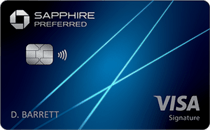
Top Travel Card
Ready to unlock a world of free travel? Start with the Chase Sapphire Preferred® Card
$95 annual fee | Earn 100,000 bonus points
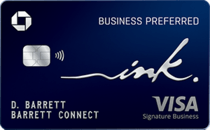
Best Card for Side Hustlers and Business Owners
Side hustlers! With the Ink Business Preferred® Credit Card you can earn free travel from your business expenses.
$95 annual fee | Earn 100,000 bonus points

Most Flexible Travel Card
The Capital One Venture Rewards Credit Card can be used to offset almost any travel expense.
$95 annual fee | Earn 75,000 Miles once you spend $4,000 on purchases within 3 months from account opening
ChooseFI has partnered with CardRatings for our coverage of credit card products. ChooseFI and CardRatings may receive a commission from card issuers.