
The Federal Reserve is projecting 3.4% inflation, but the Consumer Price Index is already hitting 5%. That gap matters more to your portfolio than you might think.
Brad and Jonathan sit down with Karsten Jeske (Big ERN) from Early Retirement Now to dissect what rising inflation means for your investment strategy—and whether you need to change course. With costs rising across sectors and media coverage intensifying, the core question is simple: Is this a temporary spike, or a sustained shift that demands action?
Two Indexes, One Problem
The conversation starts with the difference between the Consumer Price Index (CPI) and Personal Consumption Expenditures (PCE)—two measures that paint different inflation pictures. The CPI shows inflation around 5%, significantly above the historical 1-2% range, while the Fed's PCE projection sits at 3.4% for the year.
Equities vs. Bonds in Inflationary Periods
Historically, equities outperform bonds when inflation rises. For younger investors, the recommendation is straightforward: maintain a 100% equity position and dollar-cost average through volatility. Equity investors may benefit long-term, while bondholders face real return erosion.
Real Assets as Hedges
Preferred shares and real estate emerge as recommended hedges against inflation risk. For those new to the FIRE path, the advice is clear: avoid accelerating mortgage payments. Real estate has historically performed well in inflationary environments.
The Gold Question
Gold can hedge against equity downturns but offers limited long-term growth potential. While gold retained value during past equity drops, its historical returns lag equities significantly over longer periods.
Monitoring the Fed
The Federal Reserve's monetary policy decisions will signal inflation's trajectory. Understanding sequence of returns risk—how the order of investment returns affects portfolio sustainability—becomes especially relevant for retirees in inflationary periods.
Key Resources
- Safe Withdrawal Rate Guide: https://earlyretirementnow.com/withdrawal-rate-series/
- Essential Reading on Inflation and Investments: https://choosefi.com/investment-books/
Chapters
- Introduction to Inflation
- Understanding Inflation Indexes
- Practical Implications for Investors
- Hedging Against Inflation with Various Assets
- Conclusion

Top Travel Card
Ready to unlock a world of free travel? Start with the Chase Sapphire Preferred® Card
$95 annual fee | Earn 100,000 bonus points
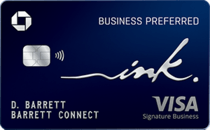
Best Card for Side Hustlers and Business Owners
Side hustlers! With the Ink Business Preferred® Credit Card you can earn free travel from your business expenses.
$95 annual fee | Earn 100,000 bonus points

Most Flexible Travel Card
The Capital One Venture Rewards Credit Card can be used to offset almost any travel expense.
$95 annual fee | Earn 75,000 Miles once you spend $4,000 on purchases within 3 months from account opening
ChooseFI has partnered with CardRatings for our coverage of credit card products. ChooseFI and CardRatings may receive a commission from card issuers.