ChooseFI
577 | Health and Fitness Update Plus 'Are Organic Foods Worth It?' with Dr. Bobby

Podcast

Ep. 577 577 | Health and Fitness Update Plus 'Are Organic Foods Worth It?' with Dr. Bobby

The "most brutally effective" workout Brad's ever tried — plus are organic foods worth the premium?

Brad Barrett · · Guests: Dr Bobby Dubois · 5,978 plays
1h 10m 46s
  1. Introduction
  2. Brad's Health Journey Update
  3. Workout Principles
  4. Nutrition Insights
  5. Interview with Dr. Bobby
  6. Segment on Organic Foods
  7. Conclusion

Choose FI has partnered with CardRatings for our coverage of credit card products. Choose FI and CardRatings may earn compensation from card issuers when a customer clicks on a link, when an application is approved, or when an account is opened. Opinions, reviews, analyses & recommendations are the author's alone, and have not been reviewed, endorsed or approved by any of these entities. American Express is a ChooseFI advertiser.

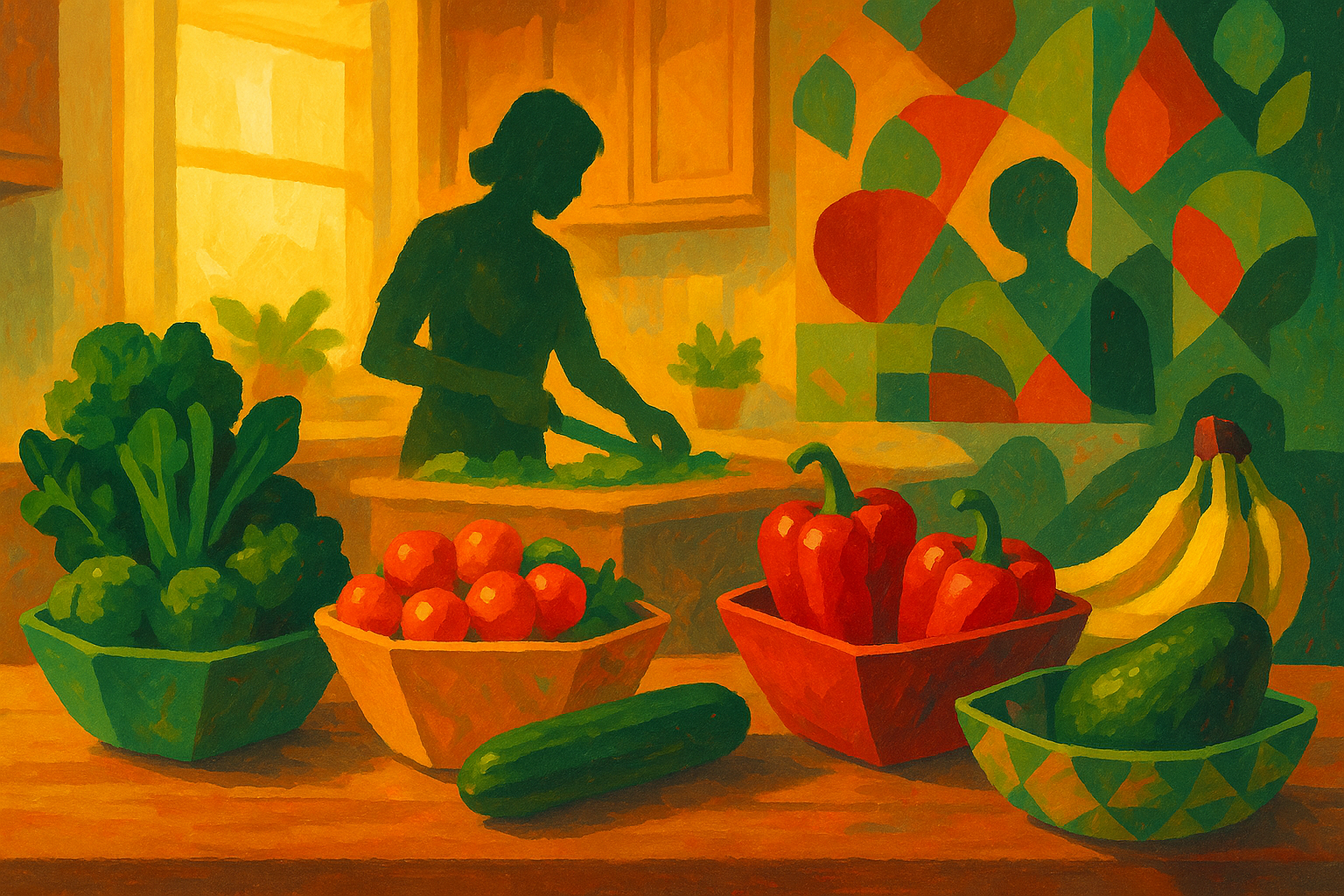
Most Americans spend thousands extra on organic food assuming it's healthier — but what if you're optimizing the wrong metric? Dr. Bobby Dubois breaks down the cost-benefit analysis showing that a family's organic grocery premium could fund an entire gym membership instead. Brad Barrett shares updates on his health journey, detailing a machine-based workout routine he calls "brutally effective" — six exercises, two sets each, with 3–5 minutes of rest between. The real insight: 80% of Americans don't eat enough fruits and vegetables period, organic or not. Rather than agonizing over labels, reallocating budget toward simply eating more produce delivers better health returns. The conversation pairs fitness and nutrition with financial independence, making the case that smart spending on health investments matters more than brand prestige.


Timestamps & Key Topics:

  • 00:00:00 - Introduction

  • 00:01:13 - Brad's Health Journey Update

    • Personal health journey and commitment to fitness
    • Focus on long-term well-being into older age
  • 00:02:30 - Workout Principles

    • Machine-based workouts for targeted muscle growth
  • 00:15:50 - Nutrition Insights

    • Protein intake and overall diet
    • Increasing fruit and vegetable consumption
  • 00:34:10 - Interview with Dr. Bobby

    • Background and expertise in nutrition
  • 00:35:02 - Segment on Organic Foods

    • Cost-benefit analysis of organic foods vs. conventional foods
    • Recommendations for increasing overall fruit and vegetable intake
  • 01:09:20 - Conclusion


Key Takeaways:

  • Effective Workouts:

    • Focus on controlled movement and adequate rest during workouts for maximum muscle gain
    • Recommended six exercises per workout with two sets each, targeting different muscle groups
  • Nutrition Strategies:

    • Increasing fruit and vegetable intake can significantly impact health outcomes more than choosing organic options alone
    • Approximately 80% of Americans do not consume enough fruits and veggies
  • Cost vs. Benefit of Organic Foods:

    • The financial implications of buying organic foods may outweigh the health benefits for many families
    • Allocating grocery budgets towards higher quality fruits and vegetables rather than solely organic options can provide better health returns

Action Items:

  • Incorporate machine-based exercises focusing on compound movements to build muscle effectively
  • Prioritize recovery with a resting period of 3–5 minutes between sets
  • Start planning meals in advance to reduce the chances of last-minute takeout or unhealthy choices
  • Consider reallocating funds typically spent on organic foods towards a gym membership or investing in wellness products

Key Quotes:

  • "This workout... is just the most brutally effective workout you can imagine." - Brad Barrett
  • "Eating a lot of fruits and veggies is a great way to go. And guess what? 80% of Americans don't get enough fruits and veggies." - Dr. Bobby
  • "It's not just about organic food; it's about being healthy and making wise choices." - Dr. Bobby

Resources:

Related Episodes:

Top Travel Card

Ready to unlock a world of free travel? Start with the Chase Sapphire Preferred® Card

$95 annual fee | Earn 100,000 bonus points

Best Card for Side Hustlers and Business Owners

Side hustlers! With the Ink Business Preferred® Credit Card you can earn free travel from your business expenses.

$95 annual fee | Earn 100,000 bonus points

Most Flexible Travel Card

The Capital One Venture Rewards Credit Card can be used to offset almost any travel expense.

$95 annual fee | Earn 75,000 Miles once you spend $4,000 on purchases within 3 months from account opening

ChooseFI has partnered with CardRatings for our coverage of credit card products. ChooseFI and CardRatings may receive a commission from card issuers.

Read Transcript

Join the Conversation

8 comments on this episode. Create a free account to share your thoughts.

Comments (6)

Your comment will be posted after signing in
TheJourney 4 months ago
I simultaneously love AND bemoan this episode - love the simple path to physical training outlined as this is what I've been looking for - and bemoan the over-simplification of organic vs conventionally grown food. I appreciated Dr. Bobby’s mention of the **EWG’s Dirty Dozen** and this has certainly factored into my own food purchasing decisions. However, he glossed over food quality (lack of illness is not the presence of health) and the external negative impacts of conventional agriculture. Below is additional food for thought. **1. The Hidden Human and Environmental Costs** In [Episode 121 of the Regenerative Agriculture Podcast](https://advancingecoag.com/podcast/episode-121-building-a-truly-regenerative-kitchen-with-mollie-engelhart/) , Mollie Engelhart argues that "cheap" food is an illusion sustained by externalized costs: > *"We are paying for our food in our healthcare, we are paying for our food in our taxes for subsidies, and we are paying for our food in the destruction of our environment."* She reframes organic/regenerative choices not as elitism, but as social responsibility: > *"It's not that organic is a thing for rich people, it's that I don't want to externalize the health of the farm worker and the health of the planet so I can have 'cheap' food."* **2. The 70-Year Nutritional Decline** We must also address the fact that an apple today is not the same as an apple from 1950. Studies, such as those by [Donald Davis at the University of Texas](https://pubmed.ncbi.nlm.nih.gov/15570035/) , have documented a "dilution effect" where modern conventional farming, focused on yield and fast growth, has led to a 5% to 40% decline in minerals, vitamins, and proteins. By prioritizing volume over soil microbiology, we have inadvertently "hollowed out" the nutritional value of our produce. **3. The Plant Health Pyramid: Beyond "Organic" Pesticides** It is important to note that a "Certified Organic" label isn't a silver bullet. As advocates like Dan Kittredge point out, many organic growers still rely on intensive organic pesticides to save "sick" plants. According to the [Plant Health Pyramid](https://advancingecoag.com/plant-health-pyramid/) , true food quality is only achieved when a plant reaches the higher stages of physiological health, producing complex proteins and plant secondary metabolites (PSMs). A plant on "chemical life support" (whether synthetic or organic) lacks the antioxidants and essential oils that define nutrient-dense food. **Bottom Line** The debate shouldn't just be around "Organic vs. Conventional," but "Degenerative vs. Regenerative." While organic practices often lead to better outcomes for workers and the planet, the label alone doesn't guarantee health. Our focus must shift toward **improving soil health and plant quality**; only by regenerating the soil can we restore the medicinal and nutritional integrity of the food we eat.
1
Borsak 4 months ago
I agree with what some of the other commenters said. For some reason I didn't even think about posting here and went to the choosefi facebook group. I was redirected by Uncle Frank here so here is what I posted to the facebook group. Really enjoyed episode 577 on fitness and organic food—lots of good points. I’d be interested in seeing a similar episode on supplements. A few thoughts: I liked the discussion about organic not automatically being “better,” and how, if you can’t always find or afford organic, the most important thing is still eating more fruits and vegetables. I don’t feel the comparison of the two studies (organic vs. non-organic and fruit/vegetable servings) was done particularly well. When I looked into studies on increasing fruit and vegetable intake, I could only find one showing about a 10% relative reduction in cancer risk, not 35%. In the organic vs. conventional discussion, the absolute reduction of 0.6% was highlighted, but the relative reduction would be closer to 30%. This framed organic as making only a minimal difference, when in reality both approaches show meaningful reductions—and if I’m interpreting the study correctly, organic food may reduce cancer risk more. My takeaway would be to do both when possible: buy organic and eat more fruits and vegetables. Much of the conversation focused on cancer risk, but there are other considerations with conventional food, including environmental impact, GMOs, pesticide resistance, antibiotic resistance, and potentially other health effects. I try to take a balanced approach. At a minimum, I buy organic for the “dirty dozen,” along with organic wheat, coffee, and nuts, and pasture-raised or grass-fed and finished meats when I can. I make cuts or substitutions as needed to stay within budget. Glyphosate has been around since the 1970s, but its use has increased significantly over the last 30 years. In 1995, about 12 million pounds were sprayed in the U.S. After the introduction of Roundup Ready crops in 1996, usage continued to rise. By 2006, glyphosate began being sprayed on crops shortly before harvest, and by 2014, roughly 250 million pounds were applied annually. Because of this rapid increase, I’m not confident we can fully understand the long-term effects on people in their twenties and thirties who grew up eating conventional food with this level of pesticide exposure. Overall, I think the episode had some really solid takeaways—especially prioritizing organic for the dirty dozen and emphasizing fruit and vegetable intake. I just think the comparison between the two studies could have been clearer, and that there are additional factors to consider with organic vs. conventional food beyond cost and cancer risk.
1
BeckyOColorado 4 months ago
I agree with the commenter that said that this episode missed the mark. Ditto on everything that commenter wrote. Also, I felt like there were inconsistencies in this episode, within the episode itself, and others that feel out of synch with the rest of the ChooseFI ethos. For example, at one point the guest and host go on and on about how insignificant a 6-in-1,000 risk is, referring to a study that showed a reduction in cancer from eating more organic food. Yet just a bit later he talks about a study that showed that if half of Americans ate just one more piece of fruit a day there'd be 20,000 fewer cancer cases and calls that "a lot of progress." But that's .00005-in-1,000. How can they poo-poo on a 6-in-1,000 risk but call a .00005-in-1000 risk "a lot of progress"? Further, ChooseFI is all about incremental gains like "be 1% better" and how those accumulate and compound over decades. If ever there is an audience who understands that something that seems small can grow to be significant over time, it is us. I appreciate the conversation about trade offs and what you could do with the money you aren't spending on organics and what you could spend it on instead. However, I do the reverse, I spend the money on organics and spend less elsewhere to do so. For example, I donate less to charitable causes that I would otherwise support that are supportive of environmental issues; it feels hypocritical to donate to a nonprofit that is working to improve the environment but then go shopping and spend other dollars on foods that are harming the environment. In my mind, a chunk of my grocery (and other shopping) dollars are designated as "help the world be better." Why spend my money on food that is detrimental to the environment, animals, farm workers, and potentially me, yet donate to causes that fight cancer, etc? There are lots of ways to use your money to make the world a better place, and it doesn't all have to be charitable giving to nonprofits. Let's support people and businesses that are helping create a healthy world for all!
1
fizgig1121 4 months ago
At the beginning of your conversation about organic foods you briefly mentioned the exorbitant cost of organic meats but never circled back to the importance of selecting organic over non from a health perspective . Most of this discussion was about fruits and vegetables. Any chance we can get an answer on wether or not spending the extra money is worth it?
Borsak 4 months ago
From what I’ve learned, organic grass-fed and conventional meat are pretty similar when it comes to calories and macronutrients. Where they differ is in micronutrients and the omega-3 to omega-6 fat ratio. Organic grass-fed meat also doesn’t involve added hormones or routine antibiotics, which is a plus for me—even though I know not everyone weighs that the same way. One thing I’ve learned is to look for grass-fed and grass-finished. If it only says “grass-fed,” that can mean the animal ate grass early on but was finished on grain or other feed. I also tend to think that you are what your food eats. It’s the same reason people often limit larger fish—the substances in what they consume can bioaccumulate over time. That idea shapes how I think about animal feed and overall food quality. That being said, I bought conventional steak this week cause I just couldn’t get grass fed and stay within budget. Sometimes I’ll get half and half.
2
ames100 4 months ago
It's a little long, but here's the email I wrote to Brad about the organic food issue (no response yet): I've been a huge fan for many years, and I credit you with being a major force in shaping my FI journey. But I think you missed the mark in your conversation with Dr. Bobby on organic food. The entire conversation was focused only on what is best for you (the consumer), with no consideration of the impact on farm workers or the environment. At one point Dr. Bobby even mentioned that there have been studies on the detrimental effects of pesticides on farm workers, but what we're really interested in is whether they affect us (the consumer). The negative health effects of pesticides on farm workers have been well-documented, and they are significant. The conditions associated with pesticide exposure include hematological alterations, respiratory issues, endocrine dysfunction, neurotoxicity, infertility, and an increased risk of many types of cancer. Pesticides also have profound effects on the environment. They contaminate the soil, water, and air, kill beneficial insects, and cause bioaccumulation up the food chain, affecting birds, mammals, and ultimately humans. The long-term ecological damage caused by pesticides is significant and it affects all of us. I choose to buy organic whenever possible because I can afford it, and I think those of us who can afford it have a responsibility to do what we can to reduce the amount of pesticides that are used in the world. Also, as demand for organic produce increases, the costs will come down for everyone. Buying organic is part of my rich life. Although I understand that there are many who can't afford it, I think the FI community is interested in making thoughtful choices about how they spend their money, and it shouldn't always be about what saves us the most in the short term. I think it was a huge disservice to frame the choice of organic vs. conventional as a simple binary decision, only looking at the cost/benefit analysis to yourself. Anyone who cares about farm workers, or about having clean water, clean air, and a livable planet in the future should consider this issue in a more nuanced and thoughtful way.
2
Borsak 4 months ago
I had the same thought about the workers and the responsibility if you can afford it.
1
Roberto Sánchez 6 months ago
@bradBarrett I absolutely loved the monologue that you started the episode with. Don't get me wrong, your interview technique is really excellent, and your interactions with guests are great. However, from time to time you should consider including a similar monologue to what was in this episode.
Join the Conversation

Create an account or sign in to post a comment.

Username
Email

No password needed. We'll send a verification email.

Email
Password

Find Your FI Number

Calculate how much you need — takes 60 seconds.

Your FI number in 60 seconds

Simple inputs, instant results

See your freedom date

Based on your savings rate and goals

Track your progress

Free tools used by thousands of members

Join ChooseFI

Start your financial independence journey

  • Access to the ChooseFI community
  • Exclusive FI resources and tools
  • Weekly actionable insights
or

Already have an account? Log in

Try searching for

⌘K to open anytime

Your FI Journey

1/3

Step 1 of 3

How familiar are you with Financial Independence?