

Key Takeaways
- New cars lose 20-30% of their value in the first two years — buying a 2-3 year old used car avoids the steepest depreciation.
- Get pre-approved for financing before visiting a dealership to know your rate and negotiate from a position of strength.
- The total cost of ownership (purchase price, insurance, fuel, maintenance, depreciation) matters more than the sticker price.
- Never negotiate based on monthly payment — always negotiate the total out-the-door price including taxes and fees.
Find Your Best Auto Insurance Rate
Answer 3 quick questions to see personalized quotes
What's your zip code?
Finding the best rates in ...
Comparing quotes from top carriers
At a Glance
Key numbers to know.
20-30%
New car depreciation
$48,000+
Avg new car transactio
$10,000-$15,00
Savings buying 2-3 yea
New vs Used: The FI Perspective
From a financial independence perspective, buying a reliable 2-3 year old used car is one of the most impactful money decisions you can make. New cars depreciate 20-30% in the first two years. A $40,000 new car is worth $28,000-$32,000 after two years — that $8,000-$12,000 in depreciation could have been invested. Certified pre-owned vehicles from dealerships often come with extended warranties and thorough inspections, giving you confidence without the new-car price premium.
Financing Smart
Get pre-approved for a car loan from your bank or credit union before visiting any dealership. This gives you a known interest rate to compare against dealer financing. Credit unions typically offer rates 1-2% lower than dealer financing. Negotiate the total out-the-door price, never the monthly payment. Dealers can make any monthly payment work by extending the loan term — a lower monthly payment over 72-84 months costs thousands more in interest than a higher payment over 48-60 months. Pay cash if you can, but if rates are under 4-5%, investing the difference may come out ahead.
The Test Drive and Inspection
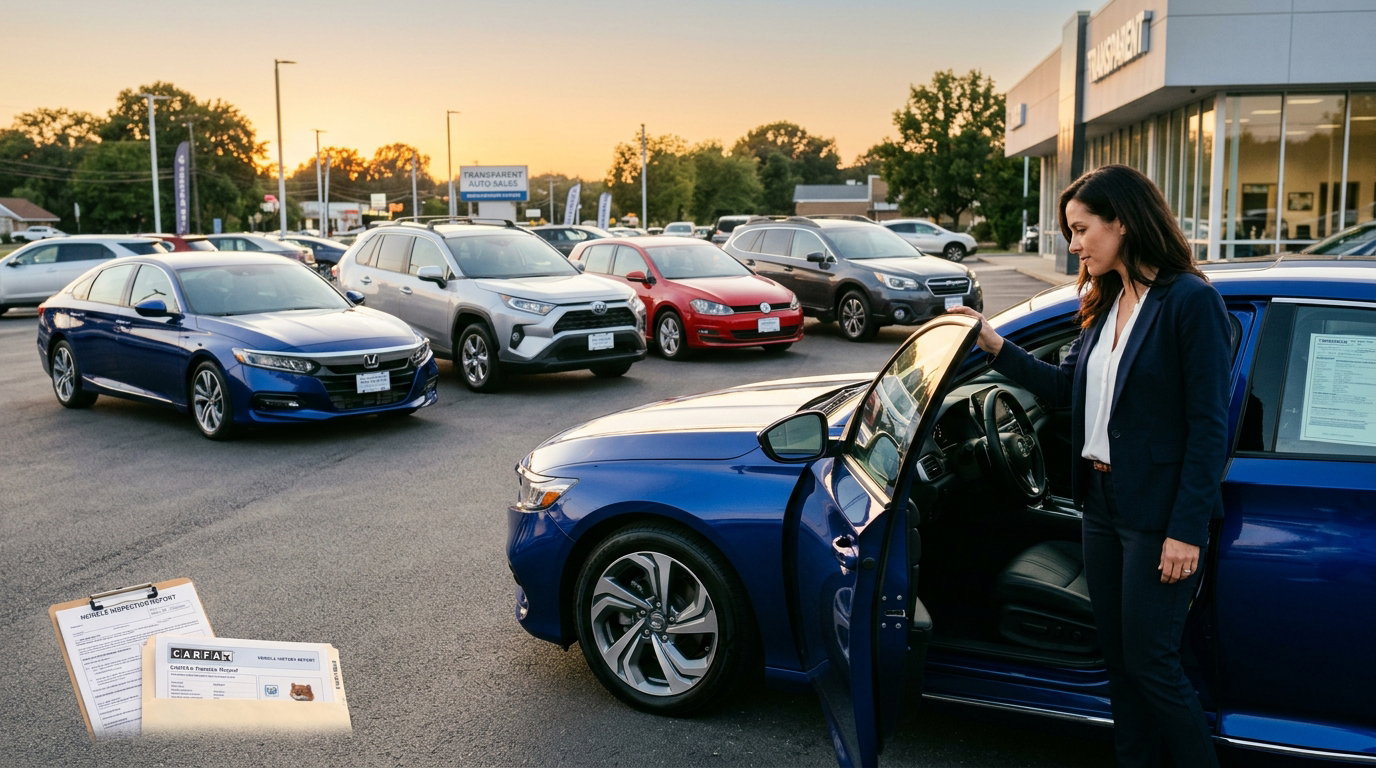
Never buy a car without driving it and having it inspected. Test drive for at least 30 minutes covering highway, city, and parking scenarios. Listen for unusual noises, test all electronics, and check visibility. For used cars, always get a pre-purchase inspection from an independent mechanic ($100-$200). This can reveal hidden problems that save you thousands. Check the vehicle history report through Carfax or AutoCheck, and run the VIN through the NHTSA recall database.
Step-by-Step Guide
Set your budget based on total cost of ownership
Research vehicles and narrow to 3-5 options
Get pre-approved for financing
Test drive and inspect
Negotiate the out-the-door price

Top Travel Card
Ready to unlock a world of free travel? Start with the Chase Sapphire Preferred® Card
$95 annual fee | Earn 75,000 bonus points

Best Card for Side Hustlers and Business Owners
Side hustlers! With the Ink Business Preferred® Credit Card you can earn free travel from your business expenses.
$95 annual fee | Earn 100,000 bonus points

Most Flexible Travel Card
The Capital One Venture Rewards Credit Card can be used to offset almost any travel expense.
$95 annual fee | Earn more than $1,000 in Travel Bonuses with a limited-time $300 Capital One Travel stays credit, plus earn 75,000 bonus miles once you spend $4,000 on purchases within the first 3 months of account opening—that's more than $1,000 in travel value
ChooseFI has partnered with CardRatings for our coverage of credit card products. ChooseFI and CardRatings may receive a commission from card issuers.
New vs Used Cars: The FI Perspective
- Used cars (2-4 years old) avoid the steepest depreciation curve — a new car loses roughly 20% of its value in the first year alone, saving you thousands on the same vehicle
- Lower insurance premiums on used vehicles since comprehensive and collision coverage is based on the car's current value, not the original sticker price
- Certified pre-owned programs offer manufacturer-backed warranties that close the reliability gap, giving you near-new confidence at a used-car price
- Registration fees and taxes are calculated on purchase price — a used car at $22,000 versus $35,000 new saves hundreds in year-one fees
- New cars offer the latest safety technology including automatic emergency braking, lane-keeping assist, and blind-spot monitoring that may not be available on older models
- Financing rates on new cars are typically 1-2% lower than used car rates, partially offsetting the higher purchase price over a loan term
- Full manufacturer warranty coverage on new vehicles means zero unexpected repair costs for the first 3-5 years of ownership
- New EVs and hybrids may qualify for federal tax credits up to $7,500 that are not available on used models above certain price thresholds
Smart Financing Strategies
The biggest financial mistake most car buyers make is focusing exclusively on the monthly payment rather than the total cost of the loan. A dealer can make almost any car seem affordable by stretching the loan term to 72 or 84 months, but this dramatically increases the total interest paid and creates negative equity where you owe more than the car is worth.
For FI-minded buyers, the ideal approach is a 48-month or shorter loan with at least 20% down. If you cannot comfortably afford the payment on a 48-month term, the car is too expensive for your financial plan. Credit unions consistently offer the most competitive rates — often 1 to 2 percentage points below dealer financing. Check rates at your credit union, a community bank, and an online lender like LightStream or PenFed before negotiating with the dealer.
When to Buy: Timing Your Purchase
Timing can save you thousands on the same vehicle. The end of the model year (September through November) is when dealers are most motivated to clear inventory for incoming models, and manufacturer incentives peak during this window. End-of-month and end-of-quarter periods also create urgency since salespeople and managers are working toward volume bonuses.
Holiday weekends — particularly Memorial Day, Labor Day, and Black Friday — consistently offer the strongest advertised deals, though the savings are real rather than manufactured. For used cars, January through March tends to be the softest market as tax refunds have not yet arrived and holiday spending has tightened budgets. Avoid shopping in spring when tax refund season drives demand and prices up across the board.
Calculating Total Cost of Ownership
The purchase price is only the beginning. True cost of ownership includes insurance, fuel, maintenance, repairs, depreciation, taxes, and financing costs over the entire period you plan to own the vehicle. A car that costs $5,000 less upfront but requires premium fuel, expensive synthetic oil changes, and proprietary parts can easily cost more over five years than a slightly pricier but more economical alternative.
Use Edmunds True Cost to Own or the AAA annual driving cost calculator to compare models side by side. For most FI-focused households, the sweet spot is a reliable Japanese or Korean sedan or crossover purchased at 2-3 years old with under 30,000 miles, driven for 8-10 years total. This approach minimizes the per-mile cost of ownership while keeping you in a safe, reliable vehicle with modern features.
Frequently Asked Questions
Is it better to buy or lease a car?
For FI-focused individuals, buying is almost always better. Leasing means perpetual payments with no equity. Buying and holding a reliable car for 8-12 years minimizes the cost per mile driven. The sweet spot is buying a 2-3 year old used car and driving it for another 8-10 years.
How much should I spend on a car?
A common FI guideline is no more than 10-15% of annual gross income on total vehicle value. For a household earning $100,000, that means a $10,000-$15,000 vehicle. This keeps transportation costs from consuming savings potential.
Should I buy from a dealer or private seller?
Dealers offer convenience, financing, warranties, and legal protections but charge higher prices. Private sellers offer lower prices but no warranty and more risk. For used cars, certified pre-owned from dealers offers a middle ground. Always get a pre-purchase inspection regardless of seller.
How do I know if a used car is reliable?
Check Consumer Reports reliability ratings, get a vehicle history report (Carfax/AutoCheck), run the VIN through the NHTSA recall database, and always pay for an independent pre-purchase inspection. Toyota, Honda, and Mazda consistently rank highest for long-term reliability.
The Bottom Line
The smartest car purchase maximizes value over the ownership period, not just at the point of sale. Buy 2-3 years used to avoid peak depreciation, get pre-approved financing, negotiate the total price, and choose reliable vehicles with low total cost of ownership. Your car is a tool — optimize for function and value, not status.


