
ChooseFI Podcast Episode Show Notes
Episode Summary
Creating an investor policy statement is essential for managing your financial journey. The hosts, Jonathan Mendonsa and Brad Barrett, discuss the importance of structured investment approaches, emotional management, financial goals, emergency funds, and strategies for adapting to market volatility.
Key Topics Discussed
-
Introduction to Investor Policy Statement
- Understanding the necessity of drafting your own investor policy statement.
-
Personal Financial Experiences
- Jonathan shares his journey of significant debt repayment and reaching a zero net worth.
-
Defining Financial Goals
- The importance of setting clear financial goals and calculating a financial independence number.
- Jonathan's target net worth is set at approximately $1.5 million.
-
Emergency Fund Discussion
- The role and importance of an emergency fund in financial planning.
- Brad shares his conservative approach to maintaining a larger emergency fund.
-
Investment Strategy Overview
- Overview of investment allocations and strategies.
- Approach to using a high-yield savings account and investing in index funds and ETFs.
-
Understanding Market Volatility
- Managing investments and emotions during turbulent market times.
- The significance of sticking to a long-term investment strategy.
Key Takeaways
- Calculate your financial independence number: Use your annual expenses multiplied by 25 for a rough estimate of what you need to retire comfortably.
- Establish an emergency fund: Create a buffer that aligns with your risk tolerance and covers at least 3 to 6 months of living expenses.
- Draft your own investor policy statement: Incorporate your financial goals, investment strategies, and provisions for handling market volatility and personal emotional responses.
Key Quotes
- "You might be a shiny object syndrome kind of guy."
- "Avoid a panic mindset during market downturns."
- "Here's why I'm comfortable with a 100% equities approach right now."
Chapter Markers
- 00:00:00 - Introduction to Investor Policy Statement
- 00:02:43 - Personal Financial Experiences
- 00:10:09 - Defining Financial Goals
- 00:11:19 - Emergency Fund Discussion
- 00:18:03 - Investment Strategy Overview
- 00:23:57 - Understanding Market Volatility
- 00:37:14 - Conclusion and Resources
Related Resources
FAQs
-
What is an investor policy statement?
- A document that outlines your investment strategy and financial goals, guiding you in making informed decisions.
-
How do you calculate your financial independence number?
- Multiply your annual expenses by 25 for a rough estimate of your total needed for financial independence.
Discussion Questions
- How does one create their own investor policy statement?
- What role does an emergency fund play in investment decision-making?
Conclusion
Join Jonathan and Brad as they help listeners navigate their personal finance journey and make impactful decisions that lead to financial independence. Don't forget to draft your investor policy statement and establish your financial goals today!
You've been listening to ChooseFI Podcast, where we help middle-class America build wealth one life hack at a time.
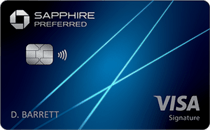
Top Travel Card
Ready to unlock a world of free travel? Start with the Chase Sapphire Preferred® Card
$95 annual fee | Earn 75,000 bonus points after you spend $5,000 on purchases in the first 3 months from account opening.
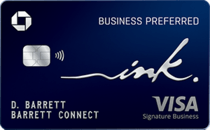
Best Card for Side Hustlers and Business Owners
Side hustlers! With the Ink Business Preferred® Credit Card you can earn free travel from your business expenses.
$95 annual fee | Earn 100,000 bonus points after you spend $8,000 on purchases in the first 3 months from account opening.
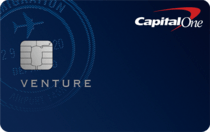
Most Flexible Travel Card
The Capital One Venture Rewards Credit Card can be used to offset almost any travel expense.
$95 annual fee | Earn up to $1,000 towards travel once you spend $4,000 on purchases within the first 3 months of account opening
ChooseFI has partnered with CardRatings for our coverage of credit card products. ChooseFI and CardRatings may receive a commission from card issuers.