A dead local meetup group attracted just 5 people to its first gathering at a brewery. Two years later, that same group draws 70+ attendees to structured educational sessions, with newcomers driving across multiple states to participate. The transformation reveals something most personal finance education gets fundamentally wrong.
Introduction and St. Louis Group Overview
Jonathan and Brad welcome Kristen Knapp and Allen Hansen to discuss how the St. Louis ChooseFI group became one of the most thriving communities in the country.
Rebooting a Dormant Community
Kristen shares how she transformed a dormant St. Louis group after attending Camp FI, starting with brewery meetups and evolving to structured case studies that dramatically increased engagement.
The Genesis of FI 101
The hosts discuss how new members needed basic FI education, leading to the creation of a structured FI 101 program that attracted 70+ attendees and continues to grow.
Kristen's Journey to Part-Time Work
Kristen shares her 30-year broadcast meteorology career and how the FI community gave her the confidence to negotiate a part-time arrangement, creating space for her FI Friends Travel venture.
Allen's Perspective on Giving Back
Allen discusses his motivation to help others after reaching FI himself, emphasizing that anyone can make mistakes and still succeed on the path to financial independence.
Structuring FI 101 Content
The group breaks down the essential components of FI 101: defining financial independence, the shockingly simple math of early retirement, and the financial order of operations.
The Importance of Your Why
Jonathan proposes that understanding your personal why for FI should be the foundation of any FI 101 program, making it more compelling than traditional personal finance education.
Investment Fees and Opportunity Cost
Brad delivers a detailed breakdown of how investment fees can cost millions over a lifetime, using concrete examples to illustrate the importance of low-cost index funds like VTI.
Action Items and Next Steps
Allen outlines the two critical action items for FI 101 attendees: tracking net worth and monitoring spending, while the group discusses cadence for ongoing educational sessions.
Preview of FI 201 and Future Plans
The hosts wrap up by discussing plans for a second episode covering FI 201 content and how local groups can iterate and improve their educational programming.
Notable Quotes
"I created what I wished existed. Nobody else is going to do it. Why not me?" — Kristen Knapp
"After fifteen years of marriage, we finally hit broke. I think that resonates with people. We did it all wrong with credit card debt, you name it." — Allen Hansen
"You can't save your way to FI. It's just almost impossible. You have to invest those dollars." — Allen Hansen
"FI is not this passive endeavor and FI is not just about the nuts and bolts of money. This is about a constantly evolving mental framework." — Brad Barrett
"Being around other people on the same path is one hundred percent the reason I've been able to create this life, because I would have never even had the idea or the courage to do any of this." — Kristen Knapp
Key Takeaways
-
Your savings rate matters more than your income. Someone earning $50,000 and saving 50% will reach FI faster than someone earning $150,000 but saving only 10%.
-
Investment fees compound negatively. A 1% advisor fee plus 1% fund fees can reduce a potential $7.2 million portfolio to just $3.9 million over 40 years.
-
Your FI number is calculated by multiplying annual expenses by 25, based on the 4% safe withdrawal rule.
-
Understanding your personal "why" for pursuing FI is more compelling than traditional budgeting advice and provides the motivation needed for long-term success.
-
Community makes the difference. Local FI groups provide accountability, education, and the courage to make life-changing decisions.
-
You don't need to be perfect from day one. Allen reached broke after 15 years of marriage and still achieved early retirement.
Action Steps
- Calculate your current savings rate: (Income - Expenses) / Income
- Determine your FI number by multiplying your annual expenses by 25
- Complete an expense audit to understand where every dollar goes
- Track your net worth monthly to measure progress toward FI
- Review your investment fees and consider switching to low-cost index funds like VTI
- Write down your personal "why" for pursuing financial independence
- Join or start a ChooseFI local group by visiting chooseFI.com
- Apply the value matrix to your spending decisions to align expenses with values
- Consider volunteering to do a case study presentation at your local FI group
- If working part-time appeals to you, explore negotiating a flexible arrangement using your FI progress as leverage
Resources and Links
- FI Friends Travel
- Mr. Money Mustache - The Shockingly Simple Math Behind Early Retirement
- ChooseFI Episode 021 - Pillars of FI
- ChooseFI Local Groups
- Camp FI
- The Simple Path to Wealth by JL Collins
- VTI (Vanguard Total Stock Market ETF)
- The Money Guys Podcast - Financial Order of Operations
- ChooseFI Episode 596 - Mistakes Were Made
- ChooseFI Episode 598 with Ginger

Top Travel Card
Ready to unlock a world of free travel? Start with the Chase Sapphire Preferred® Card
$95 annual fee | Earn 100,000 bonus points
Best Card for Side Hustlers and Business Owners
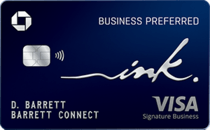
Side hustlers! With the Ink Business Preferred® Credit Card you can earn free travel from your business expenses.
$95 annual fee | Earn 100,000 bonus points

Most Flexible Travel Card
The Capital One Venture Rewards Credit Card can be used to offset almost any travel expense.
$95 annual fee | Earn 75,000 Miles once you spend $4,000 on purchases within 3 months from account opening
ChooseFI has partnered with CardRatings for our coverage of credit card products. ChooseFI and CardRatings may receive a commission from card issuers.