Key Takeaways
- BNPL services like Affirm, Afterpay, and Klarna encourage 30-50% higher spending per transaction compared to cash or debit purchases — the "pain of paying" is removed.
- Most "interest-free" BNPL plans charge late fees of \$7-\$10 per missed payment and some providers charge deferred interest that retroactively applies to the full original balance.
- BNPL usage is increasingly reported to credit bureaus — missed payments can damage your credit score, and multiple active BNPL plans may affect mortgage or loan applications.
- The only scenario where BNPL makes financial sense is a planned, budgeted purchase at 0% interest where you would have paid the full price anyway.
What's your FI number? Calculate it in 60 seconds
The one number that changes everything
At a Glance
Key numbers to know.
How Close Are You to Financial Independence?
Free calculators, a personalized FI roadmap, and a community of 25K+ on the same journey.
How Buy Now Pay Later Actually Works
Buy Now Pay Later services let you split a purchase into installments — typically four payments over six weeks (Afterpay, Klarna "Pay in 4") or monthly payments over 3-36 months (Affirm, Klarna financing). The checkout process is seamless: enter your name and email, get instantly approved, and walk away with your purchase having paid only the first installment.
BNPL providers make money in two ways. First, they charge merchants 4-8% of each transaction — significantly more than the 2-3% credit card processing fee. Merchants accept this because BNPL increases average order values by 30-50%. Second, some providers charge interest on longer-term plans, and nearly all charge late fees when you miss a payment.
| Provider | Standard Plan | Interest | Late Fees | Credit Reporting |
|---|---|---|---|---|
| Afterpay | 4 payments over 6 weeks | 0% | $8 per missed payment (capped at 25% of order) | Yes — reports to Equifax |
| Klarna (Pay in 4) | 4 payments over 6 weeks | 0% | No late fees (may suspend account) | Soft pull only; hard pull for financing |
| Affirm | 3-36 monthly payments | 0-36% APR | No late fees (charges interest instead) | Yes — reports to Experian and TransUnion |
| PayPal Pay Later | 4 payments over 6 weeks | 0% | $7 per missed payment | Yes — reports missed payments |
| Klarna (Financing) | 6-36 monthly payments | 7.99-33.99% APR | No late fees (interest accrues) | Hard pull; reports to all bureaus |
The "interest-free" label on short-term plans deserves scrutiny. While you may not pay interest, the behavioral cost is substantial. Research from multiple financial studies shows that BNPL users spend 30-50% more per transaction than they would with cash or debit. The psychological separation of the purchase from the full payment removes the natural spending brake that keeps budgets in check.
The Psychology and Hidden Costs of BNPL
The financial industry has known for decades that separating the moment of purchase from the moment of payment increases spending. Credit cards exploit this. BNPL takes it further by making the payment feel even smaller — "just four easy payments of $37.50" feels dramatically different from "$150" even though it is the same amount.
A 2026 survey found that 43% of BNPL users have missed at least one payment. Among those who missed payments, the average person missed three or more over the prior year. Late fees compound quickly — four missed $8 Afterpay fees on a $200 purchase adds $32, effectively creating a 16% surcharge on what was supposed to be interest-free.
The credit score impact is evolving rapidly. As recently as 2022, most BNPL activity was invisible to credit bureaus. That has changed. Affirm now reports all payment activity to Experian and TransUnion. Afterpay reports to Equifax. Klarna reports financing plans to all three bureaus. On-time BNPL payments may slightly help your score, but missed payments can drop it significantly — and the damage lasts up to seven years.
| Hidden Cost | How It Happens | FI Impact |
|---|---|---|
| Overspending | BNPL removes "pain of paying" — you buy more than planned | 30-50% higher spending erodes savings rate |
| Late fees | Miss one payment — $7-$10 fee per occurrence | Turns "free" financing into expensive debt |
| Credit damage | Missed payments reported to bureaus | Lower score — higher rates on mortgage, car loan, insurance |
| Deferred interest | Some plans charge retroactive interest on full balance if not paid in time | A $1,000 purchase could accrue $200+ in surprise interest |
| Debt stacking | Multiple active BNPL plans create fragmented obligations | Hard to track, easy to miss payments, creates hidden debt load |
| Opportunity cost | Money locked into installment payments | Those dollars cannot be invested or saved |
For anyone pursuing financial independence, BNPL represents the opposite of the FI mindset. FI is built on intentional spending, high savings rates, and letting compound growth work in your favor. BNPL encourages impulsive spending, fragments your cash flow, and creates obligations that reduce your ability to invest.
When BNPL Might Make Sense — and Better Alternatives
There is exactly one scenario where BNPL is financially rational: a planned, budgeted purchase at 0% interest where you would have paid the full price regardless. For example, you need a new dishwasher, you have the $800 in savings, and the retailer offers four interest-free payments. You keep your $800 invested for six more weeks while paying in installments. The benefit is tiny — a few dollars of investment returns — but the cost is genuinely zero if you make every payment on time.
Outside this narrow scenario, BNPL is almost always a worse choice than the alternatives.
| Situation | Better Alternative Than BNPL | Why |
|---|---|---|
| Want something but cannot afford full price now | Save up and buy with cash when ready | No risk of fees, no spending inflation, builds saving habit |
| Need to spread payments on a large purchase | 0% intro APR credit card (15-21 months) | Longer 0% window, builds credit, purchase protections |
| Emergency purchase you truly cannot delay | Emergency fund or personal loan | Lower rates, single payment, no fragmented obligations |
| Routine online shopping | Debit card or cash-back credit card paid in full monthly | Cash-back rewards, no installment tracking, spending stays visible |
The FI Community's Take on BNPL
The financial independence community is nearly unanimous: BNPL is a trap disguised as convenience. The entire BNPL business model depends on you spending more than you planned. If you were going to buy the item anyway and you have the cash, just buy it. If you do not have the cash, that is your budget telling you something important.
The question to ask before any BNPL checkout: "Would I buy this right now if I had to pay the full price in cash today?" If the answer is no, BNPL is not helping you afford something — it is helping you overspend. If the answer is yes, just pay cash and skip the installment tracking, the payment reminders, and the risk of a missed payment damaging your credit.
For those building toward financial independence, every dollar matters. The 30-50% spending increase that BNPL encourages directly reduces your savings rate — the single most important variable in determining how quickly you reach FI.

Top Travel Card
Ready to unlock a world of free travel? Start with the Chase Sapphire Preferred® Card
$95 annual fee | Earn 75,000 bonus points
Best Card for Side Hustlers and Business Owners
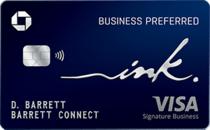
Side hustlers! With the Ink Business Preferred® Credit Card you can earn free travel from your business expenses.
$95 annual fee | Earn 100,000 bonus points

Most Flexible Travel Card
The Capital One Venture Rewards Credit Card can be used to offset almost any travel expense.
$95 annual fee | Earn more than $1,000 in Travel Bonuses with a limited-time $300 Capital One Travel stays credit, plus earn 75,000 bonus miles once you spend $4,000 on purchases within the first 3 months of account opening—that's more than $1,000 in travel value
ChooseFI has partnered with CardRatings for our coverage of credit card products. ChooseFI and CardRatings may receive a commission from card issuers.
Step-by-Step Guide
Audit your current BNPL obligations
Pay off all existing BNPL balances
Remove BNPL as a payment option in your browser
Implement the 48-hour rule for non-essential purchases
Redirect the spending to your savings rate
Frequently Asked Questions
Affirm is a legitimate, publicly traded company (AFRM on NASDAQ). It is safe in the sense that it will not steal your money or identity. However, being legitimate does not mean it is a good financial decision. Affirm's interest rates range from 0-36% APR depending on creditworthiness, and the company reports all payment activity to credit bureaus.
Increasingly, yes. Affirm reports to Experian and TransUnion. Afterpay reports to Equifax. Klarna financing plans report to all three bureaus. On-time payments may help slightly, but a single missed payment can significantly damage your score and remains on your report for up to seven years.
Afterpay charges an $8 late fee per missed payment, capped at 25% of the order value. After multiple missed payments, your account is suspended, the balance is sent to collections, and the delinquency is reported to Equifax. Collections accounts damage your credit score severely and remain for seven years.
Klarna's "Pay in 4" plan is interest-free with no late fees, but your account may be suspended for missed payments. Klarna's longer-term financing plans charge 7.99-33.99% APR, involve a hard credit pull, and report to all three credit bureaus. Read the terms carefully — the word "Klarna" covers very different products.
It is possible but unlikely for most people. Research consistently shows that BNPL increases spending by 30-50% per transaction. If you have the discipline to use BNPL only on planned, budgeted purchases at 0% interest — and never miss a payment — the financial harm is minimal. But for most users, the behavioral cost exceeds any convenience benefit.
Because it works — for the store. Merchants pay BNPL providers 4-8% of each transaction (vs 2-3% for credit cards) because BNPL increases average order values by 30-50% and reduces cart abandonment by 20-30%. The merchant is paying for you to spend more. That should tell you who this arrangement benefits.
The Bottom Line
Buy Now Pay Later is a marketing innovation designed to make you spend more — and the data confirms it works. BNPL users spend 30-50% more per transaction, 43% miss payments, and the credit reporting implications are growing. The only responsible use case is a planned, budgeted purchase at 0% interest where you already have the cash. For everyone else, especially those pursuing financial independence, BNPL is a detour in the wrong direction. Pay with cash, invest the difference, and let compound growth work for you instead of against you.