

Key Takeaways
- A monitored home security system can earn a homeowners insurance discount of 5-20%, often paying for itself.
- DIY security systems (Ring, SimpliSafe, Wyze) cost \$200-\$500 upfront with optional monitoring at \$10-\$25 per month.
- Professional systems (ADT, Vivint) offer comprehensive monitoring but require contracts and cost \$30-\$60 per month.
- Smart locks, video doorbells, and motion-sensor lights provide effective deterrence even without a full security system.
At a Glance
Key numbers to know.
How Close Are You to Financial Independence?
Free calculators, a personalized FI roadmap, and a community of 25K+ on the same journey.
DIY vs Professional Security Systems
DIY systems (Ring Alarm, SimpliSafe, Abode, Wyze) let you buy equipment upfront ($200-$500) and self-install in under an hour. Professional monitoring is optional at $10-$25 per month with no long-term contract. Professional systems (ADT, Vivint) include installation and comprehensive monitoring at $30-$60 per month, typically with a 2-3 year contract. For FI-focused homeowners, DIY systems offer the best value — lower total cost, no contract lock-in, and the same insurance discount as professional systems.
Essential Components of a Home Security Setup
A solid security system includes door and window sensors (detect entry), a base station or hub (communicates with sensors), motion detectors (detect movement inside), a loud siren (deters intruders and alerts neighbors), and monitoring (calls you and dispatches police). Beyond the alarm system, add a video doorbell ($100-$250) to screen visitors, exterior cameras ($50-$200 each) for recording and deterrence, smart locks ($150-$300) for keyless entry and remote access, and motion-activated exterior lights to eliminate dark approach areas.
Maximizing Your Insurance Discount
Most homeowners insurance carriers offer 5-20% discounts for security systems, with the largest discounts for centrally monitored systems (where a monitoring center can dispatch emergency services). To claim the discount, provide your carrier with a certificate from your monitoring company or proof of your system. Self-monitored systems (app alerts only, no dispatch) may qualify for a smaller discount. Ask your carrier specifically what level of monitoring earns the maximum discount.
Step-by-Step Guide
Assess your security needs
Choose DIY or professional installation
Install core components
Notify your insurance carrier
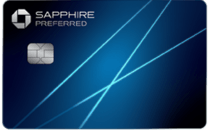
Top Travel Card
Ready to unlock a world of free travel? Start with the Chase Sapphire Preferred® Card
$95 annual fee | Earn 75,000 bonus points
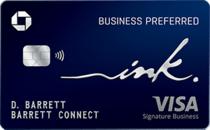
Best Card for Side Hustlers and Business Owners
Side hustlers! With the Ink Business Preferred® Credit Card you can earn free travel from your business expenses.
$95 annual fee | Earn 100,000 bonus points

Most Flexible Travel Card
The Capital One Venture Rewards Credit Card can be used to offset almost any travel expense.
$95 annual fee | Earn more than $1,000 in Travel Bonuses with a limited-time $300 Capital One Travel stays credit, plus earn 75,000 bonus miles once you spend $4,000 on purchases within the first 3 months of account opening—that's more than $1,000 in travel value
ChooseFI has partnered with CardRatings for our coverage of credit card products. ChooseFI and CardRatings may receive a commission from card issuers.
Professional Monitoring vs Self-Monitoring
- Professional monitoring provides 24/7 response even when you are asleep, traveling, or without phone access
- Monitoring centers can dispatch police, fire, or medical services immediately upon alarm verification
- Most homeowner insurance discounts (5% to 20%) require professionally monitored systems with a certificate
- Professional services include battery backup and cellular communication that work during power and internet outages
- Monitoring agents can talk to intruders through two-way audio, adding an active deterrent layer
- Professional monitoring costs $20 to $50 per month ($240 to $600 per year) — a significant ongoing expense
- Many services require 2 to 3 year contracts with early termination fees of $200 to $500
- False alarm fines from local police range from $50 to $500 per incident and add up quickly
- Self-monitoring through smartphone apps is free and gives you direct control over response decisions
- Average police response time to alarm calls is 7 to 10 minutes — often too late to catch an intruder
DIY vs Professional Installation
The home security market has shifted dramatically toward DIY systems in recent years, and the cost difference is substantial. A professionally installed system from ADT or Vivint typically costs $200 to $500 for installation plus $30 to $60 per month for monitoring — totaling $1,160 to $2,940 over three years. A comparable DIY system from Ring, SimpliSafe, or Wyze costs $200 to $600 for equipment with optional monitoring at $10 to $25 per month, totaling $560 to $1,500 over the same period.
DIY systems have another advantage for FI-minded homeowners: no contracts. You can cancel or pause monitoring at any time, take your equipment when you move, and add components incrementally as your budget allows. The trade-off is that professional installers ensure optimal sensor placement, handle wiring for hardwired systems, and configure the system for reliable performance. For most homeowners in standard single-family homes, a DIY wireless system provides excellent coverage with minimal technical skill required.
Smart Home Integration for Enhanced Security
Modern security systems work best when integrated into a broader smart home ecosystem. Smart locks let you grant temporary access codes to guests, dog walkers, or contractors without hiding a key under the mat. Smart lighting can simulate occupancy when you are away by following randomized on-off patterns. Video doorbells capture package deliveries and deter porch pirates, which account for an estimated 1.7 million stolen packages per day in the United States.
The most effective integration combines motion-activated cameras with smart lighting — when a camera detects motion at night, exterior lights turn on automatically, which startles potential intruders and provides better video footage. If you use a voice assistant like Amazon Alexa or Google Home, you can create routines that arm your security system, lock all doors, and turn on exterior cameras with a single voice command at bedtime. The key is choosing a security system that supports open standards like Matter or Z-Wave so you are not locked into a single manufacturer's ecosystem.
Insurance Discounts for Home Security Systems
One of the most overlooked financial benefits of a home security system is the insurance premium discount. Most major homeowner insurance carriers offer a 5% to 20% discount for homes with monitored security systems. On an average annual premium of $1,800, that translates to $90 to $360 per year in savings — which can offset a significant portion of your monitoring costs.
To qualify for the maximum discount, your system typically needs professional monitoring with a central station certificate, fire and smoke detection (not just intrusion), and water leak sensors in some cases. Contact your insurance agent before purchasing a system to confirm which features qualify for discounts with your specific carrier. Some insurers also offer smaller discounts (2% to 5%) for self-monitored systems with smart smoke detectors and water sensors. If you are already comparing insurance quotes, mentioning your security system during the quoting process ensures the discount is applied from day one rather than requiring a mid-term policy adjustment.
Frequently Asked Questions
Studies show that visible security systems deter over 60% of potential burglars. Homes without security systems are 2-3 times more likely to be burglarized. The combination of visible cameras, alarm signs, and monitoring creates multiple layers of deterrence.
Professional monitoring ($10-$60/month) means a monitoring center contacts you and dispatches police automatically during an alarm event. This is valuable if you travel frequently or want the insurance discount for central monitoring. Self-monitoring (app alerts) is free but requires you to respond and call police yourself.
Yes. Wireless DIY systems (SimpliSafe, Ring, Wyze) use adhesive mounts and do not require drilling or permanent installation. You can take the system with you when you move. Check your lease for any restrictions and inform your landlord as a courtesy. You may also qualify for a renters insurance discount.
For most homeowners, SimpliSafe or Ring Alarm offer the best value: low upfront cost ($200-$400), optional professional monitoring at $10-$25 per month, no contract, and easy DIY installation. Both qualify for homeowners insurance discounts.
The Bottom Line
A home security system protects your property and can pay for itself through insurance discounts of 5-20%. DIY systems offer the best value for FI-focused homeowners — low upfront cost, no contract, and the same protection as expensive professional systems. Start with the basics (sensors, cameras, lights) and add components as needed.