
Most people worry that leaving their W-2 job means diving into a tax nightmare — but what if the opposite were true? Self-employment opens doors to retirement accounts and tax strategies that traditional employees can't access, yet fear of the unknown keeps countless would-be entrepreneurs stuck in corporate life.
Sean Mullaney — tax expert and author of Solo 401k: The Solopreneur's Retirement Account — joins Brad to break down the mechanics of self-employment taxation, retirement planning, and healthcare subsidies. Both income tax and self-employment tax come into play when you work for yourself, requiring estimated quarterly payments instead of automatic W-2 withholding. The conversation then shifts to the Solo 401k, which replicates (and often exceeds) the benefits of traditional employer-sponsored plans while giving you full control over your investment choices and higher contribution limits. The episode closes with a deep look at the Premium Tax Credit for Affordable Care Act plans, explaining how self-employed individuals and early retirees can strategically reduce their modified adjusted gross income to qualify for better subsidies — a crucial consideration for anyone seeking affordable healthcare outside of employer coverage.
Chapter Markers
- Introduction to Self-Employment and Taxation
- Estimated Tax Payments Explained
- Understanding the Solo 401k
- Premium Tax Credit Overview
- Conclusion
Key Insights
- "Taxes shouldn't deter you from pursuing self-employment."
- "Knowledge empowers you to leave your W-2 job without fear of taxes."
- "Self-employed? You can still save effectively for retirement."
- "Consider Roth conversions if you're early retired and have low income."
- "Use IRS Pub 560 to help calculate your employer contributions."
Related Resources
- IRS Publication 560 — Calculating employer contributions
- Healthcare.gov Premium Tax Credit — Premium tax credit information
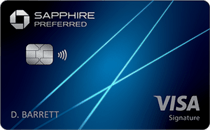
Top Travel Card
Ready to unlock a world of free travel? Start with the Chase Sapphire Preferred® Card
$95 annual fee | Earn 100,000 bonus points
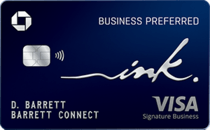
Best Card for Side Hustlers and Business Owners
Side hustlers! With the Ink Business Preferred® Credit Card you can earn free travel from your business expenses.
$95 annual fee | Earn 100,000 bonus points

Most Flexible Travel Card
The Capital One Venture Rewards Credit Card can be used to offset almost any travel expense.
$95 annual fee | Earn 75,000 Miles once you spend $4,000 on purchases within 3 months from account opening
ChooseFI has partnered with CardRatings for our coverage of credit card products. ChooseFI and CardRatings may receive a commission from card issuers.