
Most people sit on piles of cash "for emergencies" while inflation slowly erodes its value — but what if that safety net is actually costing you money? Brad and Jonathan challenge the sacred rule of keeping 3–6 months of expenses in cash, examining how your emergency fund should evolve as your financial situation changes. As you build wealth, gain income stability, and develop multiple liquidity options, that massive cash reserve starts to look less like prudent planning and more like opportunity cost. The conversation covers practical tools for slashing healthcare costs through price transparency (MDsave, GoodRx), the real impact of inflation on cash holdings, and alternative strategies for emergency preparedness that don't sacrifice investment returns. They explore when it makes sense to shift from defensive cash to invested assets, how to balance psychological comfort with financial optimization, and why your definition of "emergency" shifts as your net worth grows.
Timestamps and Highlights:
- MDsave as a tool for upfront medical pricing
- Need for price transparency in healthcare
- Using GoodRx for discounts on medications
- Definition of an emergency fund and its evolution
- Tailor emergency fund needs to current financial stage
- Inflation concerns and its impact on financial health
- Alternatives for cash reserves include precious metals and investment accounts
Key Takeaways:
- Utilize MDsave for upfront pricing on medical procedures
- Evaluate your emergency fund based on your current financial stage and needs
- Use GoodRx for potential discounts on regular medications
- Explore investment options beyond cash for better financial growth and inflation protection
- Understand the psychological aspects of maintaining an emergency fund and adjust it over time
FI Calculator
Travel Tools
Podcast
Local Groups
Forums
Book Club
Value Matrix
Debt Payoff
Workout Logger
Events
FI Calculator
Travel Tools
Podcast
Local Groups
Forums
Book Club
Value Matrix
Debt Payoff
Workout Logger
Events
FI Calculator
Travel Tools
Podcast
Local Groups
Forums
Book Club
Value Matrix
Debt Payoff
Workout Logger
Events
FI Calculator
Travel Tools
Podcast
Local Groups
Forums
Book Club
Value Matrix
Debt Payoff
Workout Logger
Events
Free FI Planning Tools + Community
FI calculator, expense audit, Coast FI tracker, local groups, and 750+ podcast episodes.
No password needed. Free forever.
Key Quotes:
- "A standard emergency fund is typically three months' worth of expenses."
- "Price transparency in healthcare is crucial, yet still lacking."
- "The definition of an emergency fund evolves over time as one's financial situation improves."
- "Ultimately, paying $300 for an emergency isn't the worst outcome if prepared."
Related Resources:
- MDsave.com - Tool for upfront pricing on medical services
- GoodRx.com - Platform for discounts on medications
- ChooseFI Episode 291 - Reference episode on the evolving nature of emergency funds
FI Calculator
Travel Tools
Podcast
Local Groups
Forums
Book Club
Value Matrix
Debt Payoff
Workout Logger
Events
FI Calculator
Travel Tools
Podcast
Local Groups
Forums
Book Club
Value Matrix
Debt Payoff
Workout Logger
Events
FI Calculator
Travel Tools
Podcast
Local Groups
Forums
Book Club
Value Matrix
Debt Payoff
Workout Logger
Events
FI Calculator
Travel Tools
Podcast
Local Groups
Forums
Book Club
Value Matrix
Debt Payoff
Workout Logger
Events
Free FI Planning Tools + Community
FI calculator, expense audit, Coast FI tracker, local groups, and 750+ podcast episodes.
No password needed. Free forever.

Top Travel Card
Ready to unlock a world of free travel? Start with the Chase Sapphire Preferred® Card
$95 annual fee | Earn 100,000 bonus points
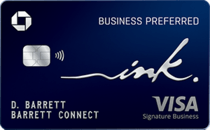
Best Card for Side Hustlers and Business Owners
Side hustlers! With the Ink Business Preferred® Credit Card you can earn free travel from your business expenses.
$95 annual fee | Earn 100,000 bonus points

Most Flexible Travel Card
The Capital One Venture Rewards Credit Card can be used to offset almost any travel expense.
$95 annual fee | Earn 75,000 Miles once you spend $4,000 on purchases within 3 months from account opening
ChooseFI has partnered with CardRatings for our coverage of credit card products. ChooseFI and CardRatings may receive a commission from card issuers.