
Most homeowners believe their house is an investment—but what if it's actually one of your largest recurring expenses? Brad and Jonathan sit down with Scott Trench and Mindy Jensen from BiggerPockets to reframe the conversation around first-time home buying. Instead of asking "how much house can I afford?", they walk through a decision framework that treats housing as a lifestyle expense first, investment second. The discussion covers opportunity costs, the five-year rule for buy-vs-rent decisions, market timing pitfalls, and why preparation matters more than perfect timing.
Key Topics
Understanding Home as an Expense
"Homeownership is an expense, not merely an investment."
Housing costs are unavoidable—the question is whether buying or renting minimizes long-term costs while meeting your needs.
Long-term Thinking in Home Buying
If you can't envision staying in a property for more than five years, renting may be the better option. Transaction costs and appreciation timelines favor longer holds.
Opportunity Cost
Every dollar tied up in a down payment is a dollar not growing in index funds or other investments. The episode walks through comparing total cost of ownership against alternative uses of capital.
Evaluating the Market
Preparation is key to avoiding financial missteps in real estate. Research recent sales, understand neighborhood dynamics, and get finances in order at least six months before shopping.
Reframing the Question
Shift from "How much house can I afford?" to "How little can I spend to meet my needs?" This mindset preserves capital for other financial goals and reduces long-term risk.
Key Quotes
"Smart home buying brings flexibility and stability."
"Expect significant costs up front in home buying."
Chapters
- Introduction to Home Buying
- Understanding Home as an Expense
- Importance of Long-term Thinking in Home Buying
- Evaluating the Market
- Conclusion and Final Thoughts
Resources
First-Time Home Buyer Cookbook
https://www.biggerpockets.com/fthb
Related Episode
013 - Investing Basics
Terminology
Opportunity Cost
The potential gain from other alternatives foregone when one option is chosen.
Appreciation
The increase in the value of a property over time.
Top Travel Card
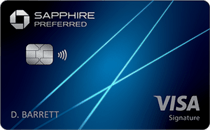
Ready to unlock a world of free travel? Start with the Chase Sapphire Preferred® Card
$95 annual fee | Earn 100,000 bonus points
Best Card for Side Hustlers and Business Owners
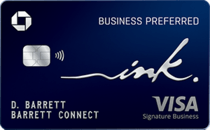
Side hustlers! With the Ink Business Preferred® Credit Card you can earn free travel from your business expenses.
$95 annual fee | Earn 100,000 bonus points

Most Flexible Travel Card
The Capital One Venture Rewards Credit Card can be used to offset almost any travel expense.
$95 annual fee | Earn 75,000 Miles once you spend $4,000 on purchases within 3 months from account opening
ChooseFI has partnered with CardRatings for our coverage of credit card products. ChooseFI and CardRatings may receive a commission from card issuers.