
Your financial advisor's 1% fee just cost you $10,000 this year — and next year it'll be even more. Jason's question about breaking up with his advisor isn't unique; it's one of the most common technical dilemmas Brad receives. The core challenge isn't just leaving — it's executing the transfer without triggering unexpected taxes or losing your cost basis information along the way.
Brad and Sean Mullaney (the FI Tax Guy) tackle the mechanics of transitioning from high-fee advisors to low-cost index funds, covering the ACAT process, in-kind transfers, and the emotional component of firing someone you've worked with for years. They also field questions on I Bonds (when to cash out, how interest is taxed), the 4% rule's limitations based on age and life expectancy, and strategies for opening Roth IRAs for kids with earned income.
Key Topics
Breaking Up with Your Financial Advisor
- Initiate the account transfer by contacting the new institution
- Request an ACAT (Automated Customer Account Transfer) to minimize tax implications
- Obtain complete cost basis information before transferring to ensure accurate reporting
- Consider the emotional components in the transition process
Understanding I Bonds
- If sold before 5 years, the last 3 months of interest are forfeited
- Taxation of interest occurs upon redemption
- Current interest rates and considerations for cashing out versus holding
The 4% Rule and Life Expectancy
- It serves as a guideline, not a strict rule
- Individual circumstances such as age and life expectancy affect its applicability
- Practical insights into retirement withdrawals
Resources
Key Quotes
"Initiate your account transfer by directly contacting your new institution."
"Direct communication with your new institution is key to a smooth transition."
"Always remember: contributions are withdrawable tax-free before earnings."
"Understand that the 4% rule is a starting point, not an absolute."
"Maximize your giving by donating appreciated stock to charity."
Chapter Markers
- Introduction
- Breaking Up with Your Financial Advisor
- Discussion on I Bonds
- Understanding the 4% Rule and Life Expectancy
- Conclusion and Resources
Terminology
ACAT Automated Customer Account Transfer, a system that allows the transfer of assets between financial institutions.
I Bonds Series I savings bonds issued by the U.S. Treasury that earn interest based on inflation.
Roth IRA A retirement account that allows individuals to contribute after-tax income, which can grow tax-free.
4% Rule A guideline suggesting that retirees can withdraw 4% of their retirement savings annually without running out of money.
FIFO First In, First Out, an accounting method for managing inventory and withdrawals from accounts.
Action Items
- Evaluate your current investment fees and consider transfer options
- Obtain complete basis information for stocks before transferring accounts
- Analyze your income brackets and assess if a Roth conversion is suitable this year
- Call your new institution to lead the account transfer process
- Consider the tax implications before breaking up with your financial advisor
- Teach your children about personal finance by contributing to a Roth IRA in their name if they have earned income
- Utilize the donor advised fund for charitable contributions to maximize tax benefits
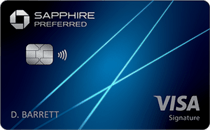
Top Travel Card
Ready to unlock a world of free travel? Start with the Chase Sapphire Preferred® Card
$95 annual fee | Earn 100,000 bonus points
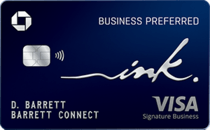
Best Card for Side Hustlers and Business Owners
Side hustlers! With the Ink Business Preferred® Credit Card you can earn free travel from your business expenses.
$95 annual fee | Earn 100,000 bonus points

Most Flexible Travel Card
The Capital One Venture Rewards Credit Card can be used to offset almost any travel expense.
$95 annual fee | Earn 75,000 Miles once you spend $4,000 on purchases within 3 months from account opening
ChooseFI has partnered with CardRatings for our coverage of credit card products. ChooseFI and CardRatings may receive a commission from card issuers.