
Paying down your mortgage early feels responsible—but what if it's mathematically wrong?
Brad and Jonathan tackle the question that splits the FI community in half: should you aggressively pay off your home loan or invest that extra cash in something like VTSAX? Listener Ariel joins with a detailed spreadsheet analysis comparing real-world numbers, and the results may surprise anyone who sees a mortgage as "bad debt." They also explore practical budgeting tools and how reframing your financial questions can open doors you didn't know existed.
Key Topics & Timestamps:
-
Introduction to Mortgage Discussion
Jonathan introduces the episode's theme of paying off mortgages versus investing. -
Introduction of Ariel
Ariel shares her financial journey and the motivation behind her interest in financial independence. -
Ariel's Financial Journey
Ariel explains how she transitioned from a Dave Ramsey follower to exploring the broader options presented by the financial independence community. -
Paying off vs. Investing Analysis
A detailed look at the math behind mortgage payments, showcasing various strategies of early repayment versus investing $500 into VTSAX. Highlights are drawn on both guaranteed outcomes and projected scenarios for returns. -
Chase Ink Business Preferred Overview
Discussion on travel rewards cards, with emphasis on the benefits of the Chase Ink Business Preferred. -
Book Giveaway
A drawing announcement for listeners to win one of three recommended financial books. -
Episode Closing
Closing remarks from Jonathan and Brad.
Resources:
- BiggerPockets Podcast - For more insights on real estate investing.
- ChooseFI Travel Rewards Course - Learn to maximize your travel rewards effectively.
Key Quotes:
- "What's the worst that could happen? All they could say is no."
- "Reframe your can't into how: What would it look like to create a system where you don't have to struggle?"
- "Use a bridge strategy to keep your options open for the future."
- "The name 'business card' shouldn't deter you; this is a great fit for many."

Top Travel Card
Ready to unlock a world of free travel? Start with the Chase Sapphire Preferred® Card
$95 annual fee | Earn 75,000 bonus points
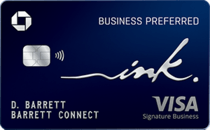
Best Card for Side Hustlers and Business Owners
Side hustlers! With the Ink Business Preferred® Credit Card you can earn free travel from your business expenses.
$95 annual fee | Earn 100,000 bonus points

Most Flexible Travel Card
The Capital One Venture Rewards Credit Card can be used to offset almost any travel expense.
$95 annual fee | 75,000 Miles once you spend $4,000 on purchases within 3 months from account opening
ChooseFI has partnered with CardRatings for our coverage of credit card products. ChooseFI and CardRatings may receive a commission from card issuers.