
Most people panic when the market drops. But what if the problem isn't the market—it's your lack of a written plan? Jonathan and Brad explore the investor policy statement: a personal rulebook for staying rational when your portfolio is bleeding red. Jonathan lays out his own statement in full detail—his $1.5 million target, his 100% equity allocation, his rationale for a hefty emergency fund—and Brad pushes back, revealing his own more conservative stance.
Introduction to Investor Policy Statement
Why drafting your own investor policy statement matters—especially when you've been kicked back on your heels.
Personal Financial Experiences
Jonathan recounts paying off significant debt and crossing zero net worth for the first time.
Defining Financial Goals
How to calculate your financial independence number (annual expenses × 25). Jonathan's target: $1.5 million.
Emergency Fund Discussion
The role of an emergency fund in preventing panic selling. Brad shares his more conservative buffer strategy.
Investment Strategy Overview
Using high-yield savings accounts, index funds, and ETFs. Asset allocation decisions and the reasoning behind them.
Understanding Market Volatility
Managing emotions during downturns and the importance of a long-term perspective.
Conclusion and Resources
How Close Are You to Financial Independence?
Free calculators, a personalized FI roadmap, and a community of 25K+ on the same journey.
Key Takeaways
- Calculate your financial independence number: Use annual expenses × 25 for a rough estimate.
- Establish an emergency fund: Create a buffer covering 3–6 months of living expenses, aligned with your risk tolerance.
- Draft your own investor policy statement: Document your goals, investment strategy, and plan for handling volatility and emotional reactions.
Ready to take the next step?
Put what you heard into action with these tools and community.
Key Quotes
- "You might be a shiny object syndrome kind of guy."
- "Avoid a panic mindset during market downturns."
- "Here's why I'm comfortable with a 100% equities approach right now."
Related Resources
FAQs
-
What is an investor policy statement?
A document outlining your investment strategy and financial goals to guide informed decisions. -
How do you calculate your financial independence number?
Multiply annual expenses by 25. -
Why maintain an emergency fund?
It provides a buffer during uncertain times, helping you avoid panic selling.

Top Travel Card
Ready to unlock a world of free travel? Start with the Chase Sapphire Preferred® Card
$95 annual fee | Earn 75,000 bonus points
Best Card for Side Hustlers and Business Owners
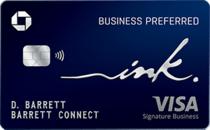
Side hustlers! With the Ink Business Preferred® Credit Card you can earn free travel from your business expenses.
$95 annual fee | Earn 100,000 bonus points

Most Flexible Travel Card
The Capital One Venture Rewards Credit Card can be used to offset almost any travel expense.
$95 annual fee | Earn more than $1,000 in Travel Bonuses with a limited-time $300 Capital One Travel stays credit, plus earn 75,000 bonus miles once you spend $4,000 on purchases within the first 3 months of account opening—that's more than $1,000 in travel value
ChooseFI has partnered with CardRatings for our coverage of credit card products. ChooseFI and CardRatings may receive a commission from card issuers.
What should an investment strategy include?
Asset allocation, investment vehicle choices, and your timeline for reaching goals.