



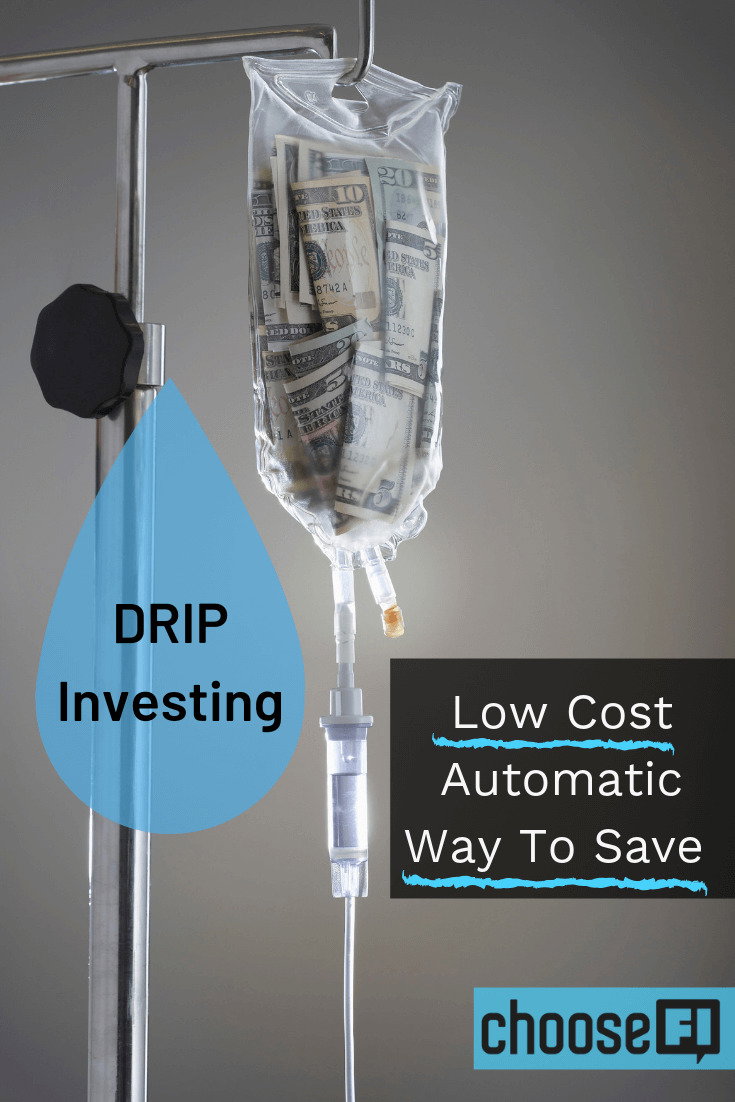
Automated investing is one of the best ways to build your future. We all know about 401(k)s, IRAs, and mutual funds, but one tried and true method is often overlooked. Dividend reinvestment programs (DRIPs) have been around for decades. They are a low-cost, automatic way to invest in some of your favorite companies. This guide will explain what a DRIP is, who offers them, and the pros and cons of investing using this strategy.
What's your FI number? Calculate it in 60 seconds
The one number that changes everything
What Is A Dividend Reinvestment Program (DRIP)?
A dividend reinvestment program is a tool that companies offer to encourage investors to buy shares. When the company stock issues a dividend, the proceeds are reinvested into the company stock. DRIPs encourage long-term investing and provide a stable source of buyers for a company's stock. Participants in dividend reinvestment programs are less likely to sell their shares because the strategy behind DRIPs is to build wealth incrementally over a long period of time. This is not a strategy for day traders or people looking to get rich quickly. **Related: Podcast Episode: Intro To Dividend Investing**What Are The Advantages Of A DRIP?
DRIP programs offer many benefits to the individual investor. It is an opportunity to buy shares without trading costs and in increments that may be less than brokerages or mutual funds require.
Low-Cost Investing
To encourage investors to participate, many dividend reinvestment programs do not charge commissions or other fees. If there are any fees, they are usually lower than a traditional brokerage.
Related: FIRE Essentials: Low-Cost Index Fund Investing
Fractional Share Investing
When dividends are reinvested, DRIP participants are able to buy shares based on the dollar amount they have to invest. This is true even if the dividend amount is not enough to buy a full share. This is known as "fractional share" investing.
Discounts On Share Purchases
To encourage participation in its DRIP, companies may offer a discount to their share price. This discount often ranges from 1% to 10% of the stock price. To receive the discount, you may need to agree to hold onto the shares for a specific period of time.
"The Tuesday Project: The goal isn't to optimize for extraordinary vacations or retirement someday. It's to build a life where an ordinary Tuesday is one you genuinely enjoy."
"My 1% win was getting a paid off Apple Watch by tracking my workout and sleep with the UHC rewards through the insurance at work and getting a $100+ gift card w..." — Kelly
From The Cheeseburger Doesn't Taste BetterThe Tuesday Project: The goal isn't to optimize for extraordinary vacations or retirement someday. It's to build a life where an ordinary Tuesday is one you genuinely enjoy.
Free every Tuesday • Unsubscribe anytime
Find your hidden savings
Free calculators and tools to optimize every dollar on your path to FI.
Low Minimum Investments
To get started, many companies only require that you own a minimum of one share of their stock. Other companies have a minimum starting investment of $25 along with an agreement to invest on a recurring basis. What Concerns Should I Be Aware Of?
Although there are many advantages to investing in dividend reinvestment programs, there are some topics to keep in mind. As with any investment, there are always risks to address.
Taxes
Although DRIPs are a great way to compound your investment returns, you need to be aware that these reinvested dividends could be taxed. As you know, if assets are held in tax-deferred accounts (like a 401(k) or IRA), then you don't need to worry about taxable income each year. However, if the shares are held in a taxable account, the income is generally considered taxable.
Diversification
Unlike a mutual fund that holds several stocks or bonds, a DRIP invests in a single stock. This leads to concentration risk if you don't have other investments in your portfolio. If you have no other investments, it is a good idea to consider investing in multiple DRIP stocks to diversify your holdings and reduce your overall risk.
Related: How To Determine Your Asset Allocation
Limited Choices
There are over 1,000 companies that offer dividend reinvestment programs. That is a large number, but those options pale in comparison to the number of mutual funds and ETFs that an investor can choose from. Be cautious so that the benefits of a DRIP do not lead you to invest in a stock that isn't in alignment with your investment goals.
Keeping Track Of Your Cost Basis
Many brokerages and mutual fund companies provide excellent tracking of your investment cost basis. Not all DRIPs offer such comprehensive benefits. Over the course of a decade, regular investments in a dividend reinvestment program will lead to hundreds of transactions to keep track of. And that is assuming that you never sell any of your shares. When I sold some of my DRIP stocks to pay off one of my rental properties, I had to download the transactions into Excel and calculate the cost basis myself.
"The Tuesday Project: The goal isn't to optimize for extraordinary vacations or retirement someday. It's to build a life where an ordinary Tuesday is one you genuinely enjoy."
"My 1% win was getting a paid off Apple Watch by tracking my workout and sleep with the UHC rewards through the insurance at work and getting a $100+ gift card w..." — Kelly
From The Cheeseburger Doesn't Taste BetterThe Tuesday Project: The goal isn't to optimize for extraordinary vacations or retirement someday. It's to build a life where an ordinary Tuesday is one you genuinely enjoy.
Free every Tuesday • Unsubscribe anytime
Map your path to FI
Use our free tools to model your investment growth, calculate your FI number, and build a plan that fits your life.
Which Companies Offer DRIPs?
As mentioned above, there are over 1,000 companies that offer a dividend reinvestment program. When I invested in DRIP stocks, I used the service Computershare to start my investments. You will find companies of various sizes and from many different industries to choose from. Additionally, large brokerage firms are starting to offer no-cost DRIPs. For example, TD Ameritrade offers DRIP investments "on most exchange-listed and NASDAQ stocks, ETFs, mutual funds, and ADRs."
How To Get Started Investing In DRIPs?
To get started investing in dividend reinvesting programs, most companies require you to be a shareholder first. Some DRIPs allow you to buy your first share within the program. This is called a "direct enrollment." Others require you to make your initial investment externally. If you already own shares directly or through your brokerage account, you need to submit proof of your ownership to the transfer agent.
Alternatives To DRIPs
Technology is a great equalizer, and our smartphones are more powerful than most household computers were when I was a kid. Savvy entrepreneurs are tapping the investment market and making it easier than ever to invest. People looking to invest with small sums of money can open an account and start buying fractional shares of stocks, mutual funds, and ETFs within minutes. Popular apps with low minimum investments include Robinhood, M1 Finance, Motif, and Stockpile. Check out our full review of M1. I use Acorns to round up my credit card purchases and invest whenever those cumulative roundups exceed $5. Because the amounts are so small, I barely notice the withdrawal from my checking account. Yet those "pennies" add up quickly. I've quietly saved several thousand dollars with Acorns over the past few years.
**Related: How To Create An Investment Policy Statement**Are Dividend Reinvestment Programs Right For You?
Dividend reinvestment programs are a good complement to a balanced investment strategy. DRIPs should not replace your contributions to traditional investment vehicles like 401(k)s and IRAs. However, they do offer a low-cost opportunity to buy shares of popular stocks that you can withdraw from before retirement age. If you are looking to retire before age 59 1/2, DRIPs are an excellent way to invest in fractional shares on a regular basis and receive the benefit of compounding interest through the reinvestment of your dividends. *What are your thoughts about DRIPs? Does this investment vehicle have a place in your portfolio? Let us know in the comment section below.
*
Related Articles
- When 2% Costs Everything: How Investment Fees Cost You Your Freedom
- The Advantages Of The Individual Investor: Why You Can Beat Professional Money Managers
- Acorn's Review--Automatically Invest Your Spare Change
Find your hidden savings
Free calculators and tools to optimize every dollar on your path to FI.