7 Decluttering Tips to Organize Your Life in 2026
We all seem to have some clutter around the house, and some of us have a lot of it. This clutter that we have in our environments appears to be pretty...
Read articleIntentional spending aligned with your values. Not deprivation — freedom. Every dollar you don't spend is a dollar working toward your FI number.
Housing, transportation, and food consume 60-70% of most budgets. Optimizing these three areas can shave years off your FI timeline.
Your biggest expense — and biggest lever
Housing typically consumes a third of your income. House hacking, geographic arbitrage, downsizing, or simply choosing a home well below what the bank approves can free up thousands every month. The FI community often targets spending 25% or less of gross income on housing.
How to Save on the Big 3 ExpensesThe silent wealth killer
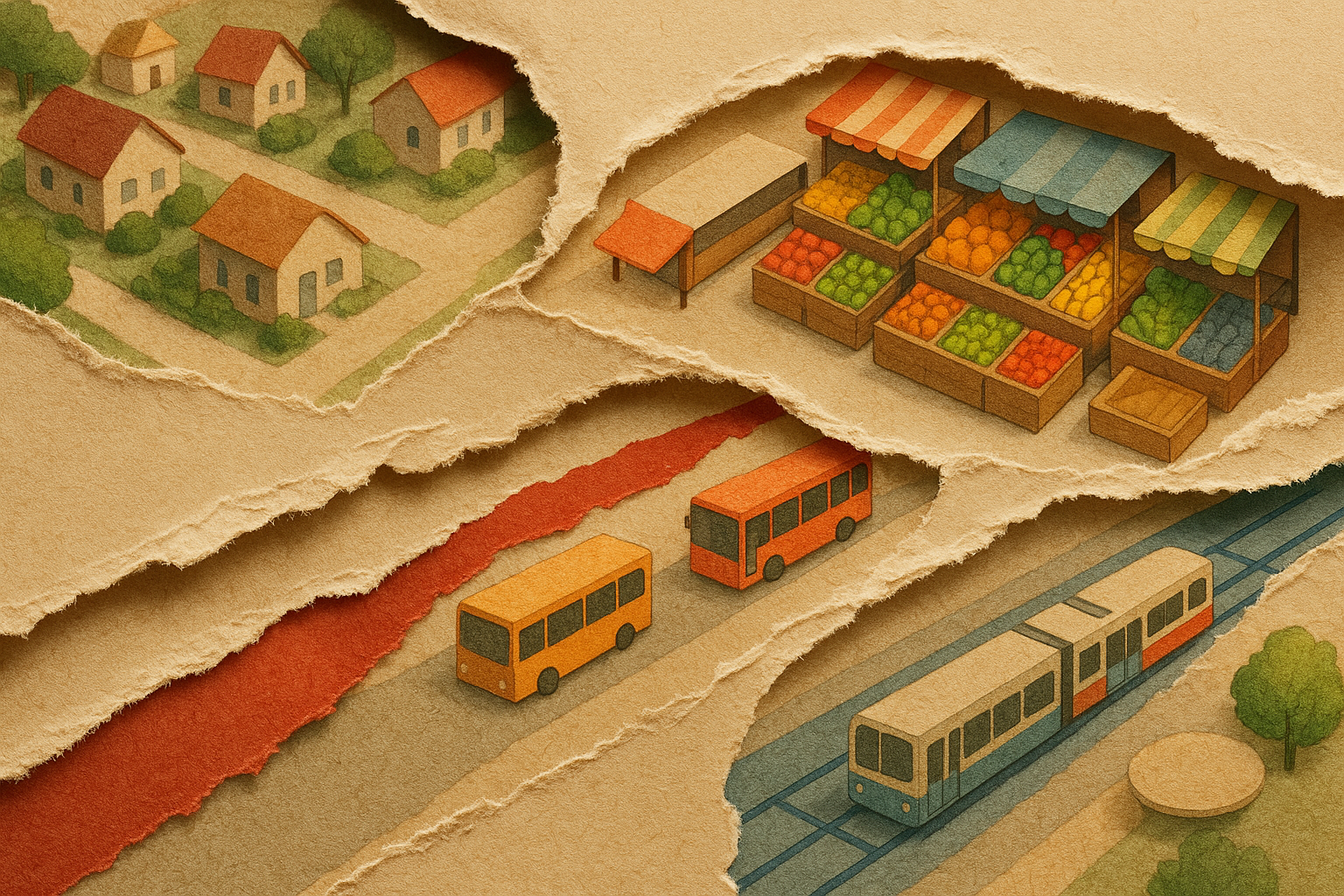
Car payments, insurance, gas, and depreciation drain budgets quietly. The average American spends over $12,000/year on transportation. Buying reliable used cars, reducing to one vehicle, biking, or using public transit can redirect thousands toward investments annually.
Why You Should Never Buy A New CarEat well for less — it's a skill
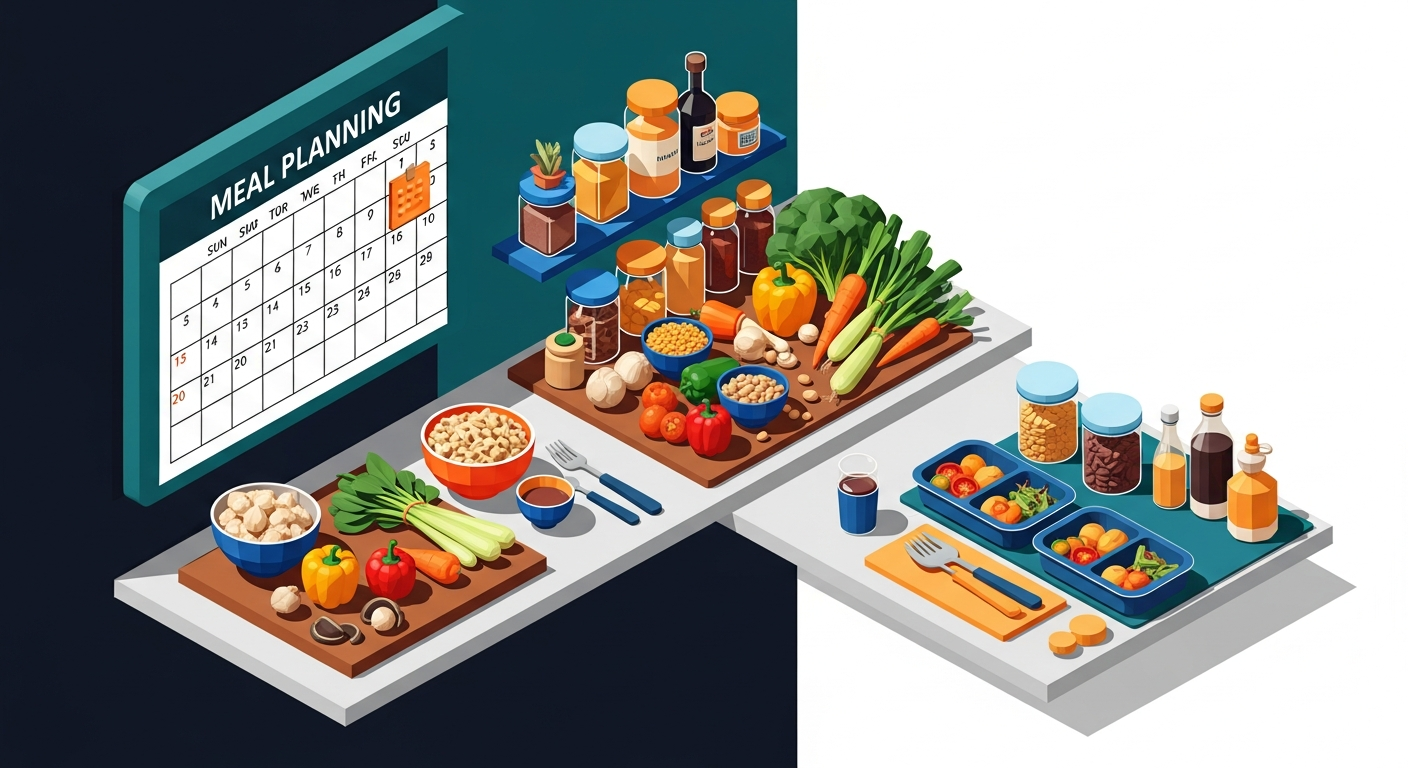
Food is the most flexible of the Big 3. Meal planning, cooking at home, and smart grocery shopping can cut food costs by 50% or more without sacrificing nutrition or enjoyment. The average family spends $1,000+/month on food — the FI community regularly hits $400-600.
12 Ways To Save Money On GroceriesSmall changes that compound into big savings. Each of these wins is painless on its own — together they can save thousands per year.
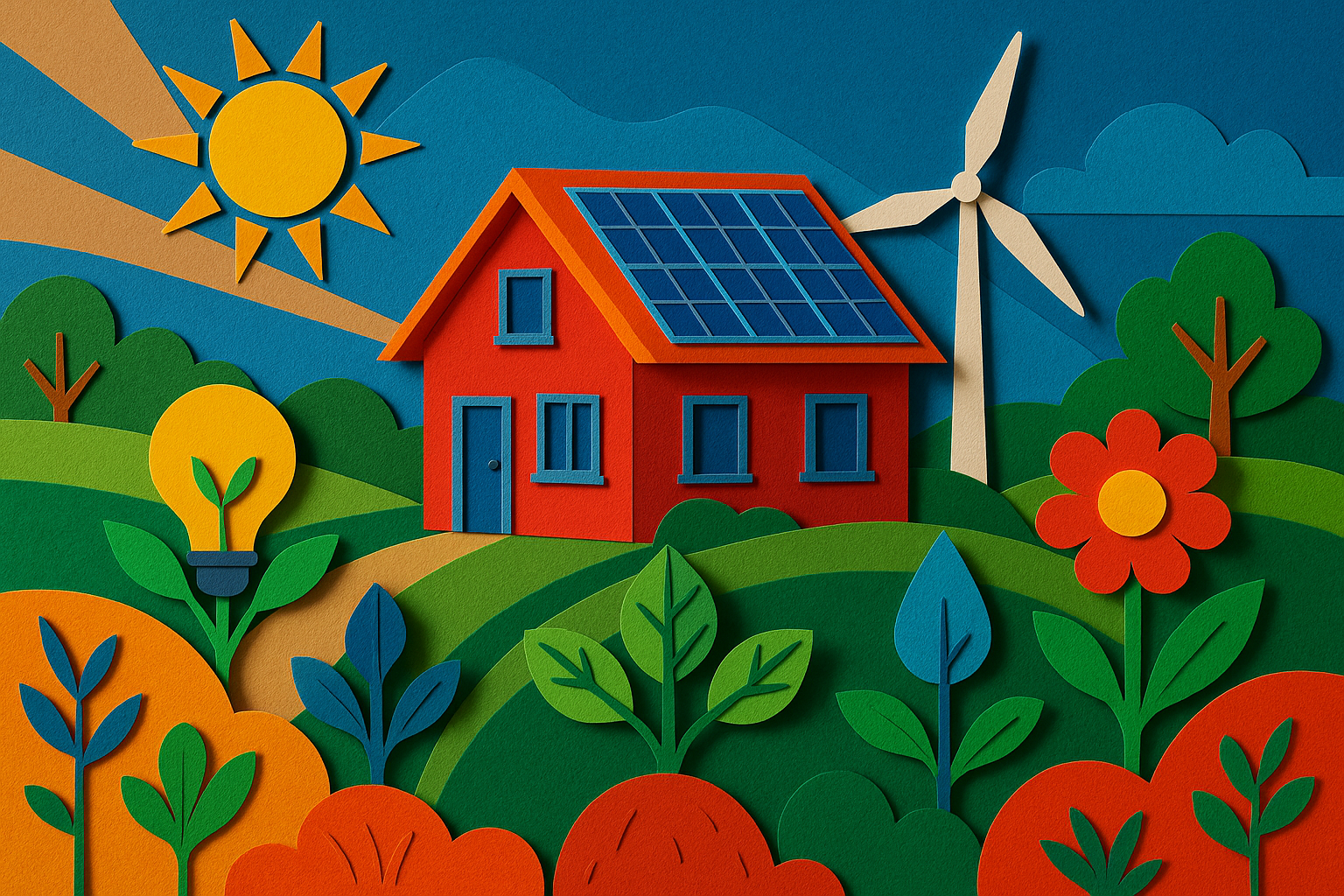
Lower your electric bill, weatherize your home, and stop paying for energy you don't need.
Plan your meals, cut food waste, and eat better for less. A weekly calendar is the simplest system.
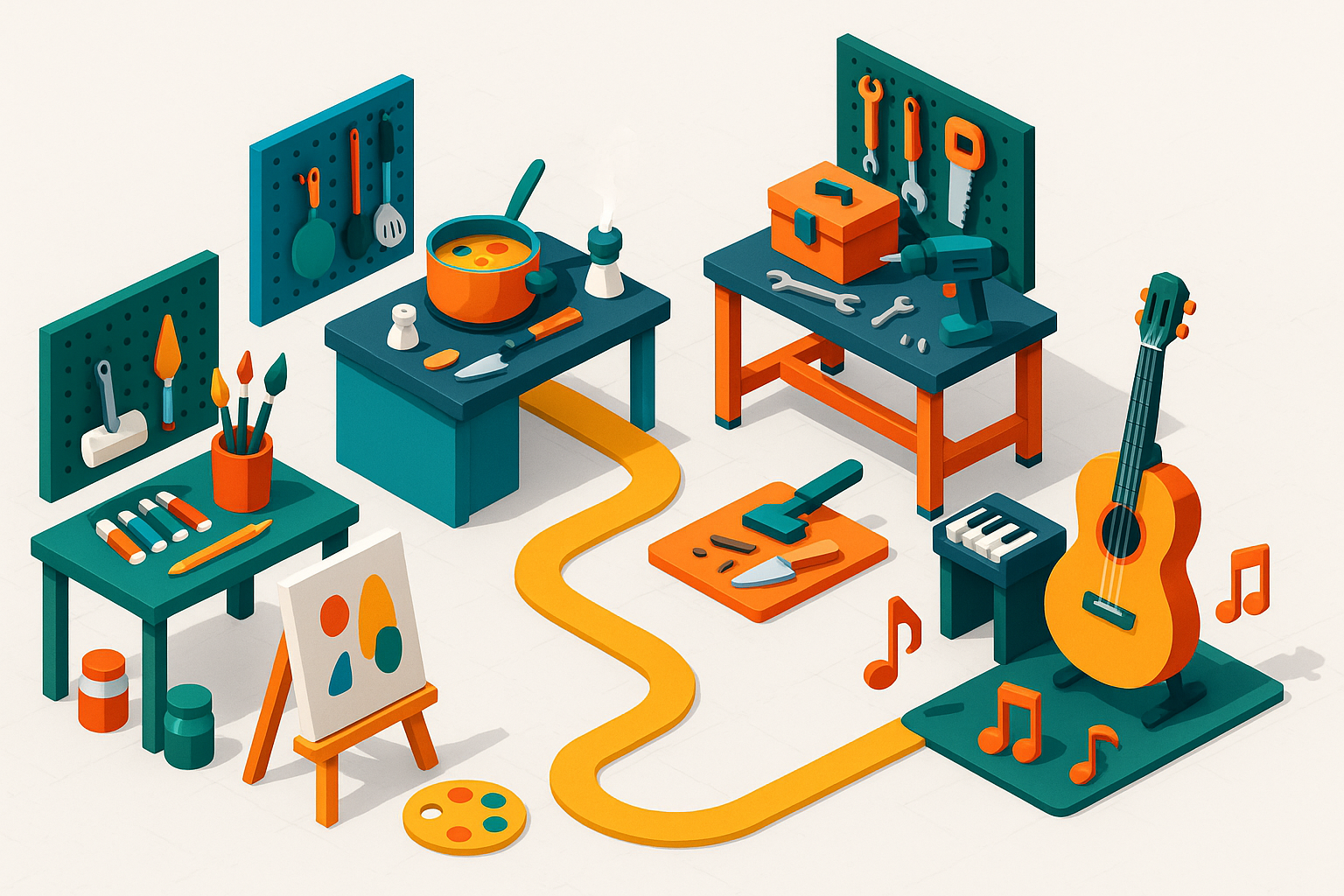
Learn one new skill every month — home repairs, cooking techniques, basic sewing. Each skill pays dividends forever.
Savings you literally won't notice. Switching providers, negotiating rates, and automating smart defaults.
Own less, want less, spend less. Decluttering breaks the cycle of consumption and reveals how little you actually need.
Frugality isn't sacrifice — it's alignment. When spending matches values, you spend less naturally and enjoy life more.
Practical guides on spending less, living intentionally, and accelerating your path to financial independence.
We all seem to have some clutter around the house, and some of us have a lot of it. This clutter that we have in our environments appears to be pretty...
Read articleCalculate how much you need — takes 60 seconds.
Your FI number in 60 seconds
Simple inputs, instant results
See your freedom date
Based on your savings rate and goals
Track your progress
Free tools used by thousands of members