

Millions of Americans with disabilities face an impossible choice: accumulate emergency savings or keep their government benefits. For decades, Supplemental Security Income's $2,000 asset limit trapped disabled people in poverty. But on January 1, 2026, everything changed. The ABLE Age Adjustment Act doubled eligibility for tax-advantaged disability savings accounts—and it opens the door for approximately 1 million newly eligible veterans.
What Are ABLE Accounts and Why Do They Matter?
00:03:30 - ABLE accounts (technically 529A plans) function as specialized savings and investment vehicles for disabled people. Unlike traditional 529 college savings plans, ABLE accounts protect the first $100,000 from SSI's restrictive asset tests. This means disabled individuals can finally build emergency funds without losing critical benefits like healthcare coverage and cash assistance.
The accounts offer meaningful tax advantages: contributions grow tax-free, withdrawals for qualified disability expenses are tax-free, and the assets are protected from means-tested government programs. Qualified expenses are broadly defined—housing, food, transportation, education, employment support, assistive technology, healthcare, and even vacation. As Brynne explains, "When you are disabled, you cannot separate your disability from your personhood. So we're not just talking about medical expenses."
Contribution Limits and the ABLE to Work Advantage
00:12:00 - For 2025, the annual contribution limit matches the gift tax exclusion: $19,000. But the ABLE to Work program creates a significant opportunity for working disabled people. If you earn income and don't have an employer-sponsored retirement plan, you can contribute an additional amount up to the federal poverty line (approximately $15,960 for 2026)—potentially nearly doubling your annual contributions.
These additional contributions may also qualify for the Saver's Credit (and upcoming Saver's Match), providing further tax benefits for lower-income savers.
The ABLE Age Adjustment Act: Doubling Eligibility
00:25:00 - The major change effective January 1, 2026: the disability onset age requirement increased from 26 to 46. This single adjustment doubles the number of eligible Americans and adds approximately 1 million newly eligible veterans.
"The ABLE Age Adjustment Act doubles the amount of eligible people. 1 million veterans are now newly eligible. As more people access this account, it lowers administrative burden and fees for everybody," Brynne emphasizes.
You don't need to be currently receiving disability benefits to qualify—you just need to meet the Social Security Administration's definition of disabled with onset before age 46. Many states allow self-certification, making access more straightforward than traditional benefits applications.
Shopping Across State Lines and Fee Optimization
How Close Are You to Financial Independence?
Free calculators, a personalized FI roadmap, and a community of 25K+ on the same journey.
00:28:00 - Like traditional 529 plans, you can purchase ABLE accounts across state lines. This allows you to optimize for investment options and lower fees. Some states offer attractive tax benefits for residents—Pennsylvania and Mississippi, for example, provide dollar-for-dollar deductions for contributions.
As participation increases due to expanded eligibility, administrative costs should continue declining. States like Virginia offer low-fee options with Vanguard ETF portfolios, making cost-conscious investing accessible.
Addressing Medicaid Clawback Concerns
00:35:00 - Many people fear Medicaid payback provisions that technically allow states to recover expenses from deceased beneficiaries' ABLE accounts. Brynne addresses this directly: these clawbacks rarely happen in practice. It's typically not administratively worthwhile for states to pursue, and many states have additional protections.
Ready to take the next step?
Put what you heard into action with these tools and community.
For those with significant assets requiring comprehensive estate planning, ABLE accounts work in conjunction with third-party supplemental needs trusts. Unlike ABLE accounts, third-party SNTs (funded by parents or others, not the disabled person) are protected from Medicaid recovery provisions.
Who Should Open an ABLE Account?
00:17:00 - You should consider an ABLE account if:
- You meet the Social Security Administration's definition of disabled with onset before age 46
- You receive or could receive SSI, Medicaid, or other means-tested benefits with asset limits
- You want tax-advantaged growth for disability-related expenses
- You're building an emergency fund while protecting benefit eligibility
- You're a working disabled person who can leverage ABLE to Work contributions
"SSI has an asset test that doesn't allow you to have more than two thousand dollars in your name. The ABLE account protects the first one hundred thousand dollars from that asset test. You're actually allowed to have an emergency fund," Brynne explains.
Notable Quotes
"When you are disabled, you cannot separate your disability from your personhood. So we're not just talking about medical expenses. You can spend it on food, vacation, housing—things that even special needs trusts don't allow." — Brynne Conroy
"The ABLE Age Adjustment Act doubles the amount of eligible people. 1 million veterans are now newly eligible. As more people access this account, it lowers administrative burden and fees for everybody." — Brynne Conroy
"SSI has an asset test that doesn't allow you to have more than two thousand dollars in your name. The ABLE account protects the first one hundred thousand dollars from that asset test. You're actually allowed to have an emergency fund." — Brynne Conroy
"In the disability community, disabled people are usually prevented from accessing programs for which they are eligible due to administrative burdens, not because people are faking it to get benefits." — Brynne Conroy
"Finances are always complex, but when you're disabled, it turns into calculus. You really need someone who knows not just financial products but also state welfare programming." — Brynne Conroy
Key Takeaways
- Visit ABLE Today to research state ABLE account options and compare fees, investment choices, and state tax benefits
- Determine eligibility using the new age 46 disability onset requirement
- If you qualify and need asset protection from SSI or Medicaid limits, open an ABLE account to protect up to $100,000 from asset tests
- Explore the ABLE to Work program if you work without an employer-sponsored retirement plan to potentially double annual contributions
- Consult with a financial advisor who specializes in both financial products and state welfare programming
- Consider using an ABLE account in conjunction with a third-party supplemental needs trust for comprehensive estate planning
- Check your state's specific tax benefits for ABLE contributions
Resources

Top Travel Card
Ready to unlock a world of free travel? Start with the Chase Sapphire Preferred® Card
$95 annual fee | Earn 75,000 bonus points
Best Card for Side Hustlers and Business Owners
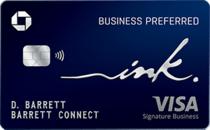
Side hustlers! With the Ink Business Preferred® Credit Card you can earn free travel from your business expenses.
$95 annual fee | Earn 100,000 bonus points

Most Flexible Travel Card
The Capital One Venture Rewards Credit Card can be used to offset almost any travel expense.
$95 annual fee | Earn more than $1,000 in Travel Bonuses with a limited-time $300 Capital One Travel stays credit, plus earn 75,000 bonus miles once you spend $4,000 on purchases within the first 3 months of account opening—that's more than $1,000 in travel value
ChooseFI has partnered with CardRatings for our coverage of credit card products. ChooseFI and CardRatings may receive a commission from card issuers.
- ABLE Today
- PocketSmith
- ChooseFI Episode 108 with William McVeigh on Special Needs Trusts
- Social Security Administration disability criteria
- Federal Student Loan Disability Discharge Program